
Local Fears, Not Beijing: Why U.S. Data Center Opposition Is Homegrown
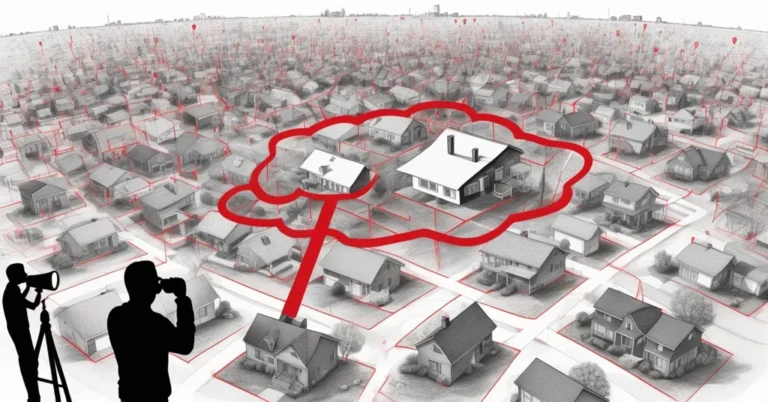
Communities oppose new data centers because of energy, land-use and transparency worries — not because China masterminded protests. While foreign accounts and AI-generated imagery have shown up in the debate, a Wired analysis and independent analysts conclude those are amplifiers layered on top of robust domestic resistance, not the origin of it.
What the numbers and reports show
Public sentiment is clear: a recent Heatmap poll found a majority of Americans supporting a moratorium on new data center development, and a Public First survey ranked the U.S. lowest on support for data centers among 15 countries. Those results reflect concrete concerns—grid strain, water and land use, and a lack of clarity about how large AI facilities operate.
Independent analyses of social media have tracked both domestic opposition and some foreign-origin activity. OpenAI flagged a cluster of accounts originating in China that posted anti-data-center messages and shared ChatGPT-generated images to amplify local concerns, but concluded those accounts did not produce a measurable shift in public opinion. Social analytics firm Graphika reached a similar view: the conversation is dominated by local voices, with only a few scattered networks or monetization-oriented pages linked abroad.
Graphika: “We have not found organized, scalable influence operations tied to data-center opposition—aside from small, scattered networks and pages likely driven by monetization.”
At the same time, political and commercial actors have pushed a different narrative. Senator Tom Cotton asked the Justice Department to investigate alleged Chinese influence in local fights, and Republican leaders on the House Energy and Commerce Committee pressed the White House and the FBI on similar concerns. Investor Kevin O’Leary pointed to a Bitcoin Policy Institute report that alleges foreign funding links to some nonprofit advocacy—claims that several independent experts view skeptically.
How AI-generated imagery and ChatGPT images change the dynamics
AI-generated imagery—images produced by tools like DALL·E, Midjourney, or images seeded from ChatGPT prompts—lowers the cost and time needed to create striking visuals for social posts. That matters because visuals accelerate sharing and emotional response, even when the underlying issue is local and specific.
A common amplification sequence looks like this:
- Local resident posts concerns about a new data center (energy use, noise, construction).
- An image—sometimes AI-generated—visualizes the threat (glowing server farms, drained rivers, overwhelmed transformers).
- Low-cost pages and accounts across platforms repost the image; some are run overseas for monetization.
- Local news or state media pick up the story, and political actors amplify concerns or allege foreign influence.
That pathway explains why investigators can find foreign-origin posts in the mix: opportunistic actors reuse viral local content, while cheap AI imagery makes reposts look professional. But the important signal is the starting point—the local grievance.
Case example: a Utah data center dispute
A high-profile developer faced sharp local backlash in Utah, where community concerns about water and grid capacity dovetailed with intense media coverage and investor statements citing alleged foreign amplification. The dispute stalled permitting and raised reputational risk for the developer. The moment illustrates the practical impact: whether or not a foreign account reposted content, the business consequence—delays, legal costs, community distrust—remains real.
Limits of attribution and why nuance matters
Proving a coordinated, state-run influence campaign online is hard. Platforms blend human users, automated bots, and AI-generated personas; metadata can be manipulated; and foreign state media regularly republish U.S. reporting through wire services—normal behavior that can be misread as coordinated amplification.
Brookings (paraphrase): Experts who appear frequently in international AI discussions often advise their governments; visibility alone isn’t evidence of malign coordination.
That doesn’t mean foreign activity should be ignored. Small, opportunistic amplification can change the tempo of a debate and, if mixed with strong local sentiment, may help a narrative scale faster. The right response is measured: monitor and verify, but focus most resources on the proximate drivers of opposition.
What businesses and policymakers should do
For companies building data centers and AI infrastructure, the reputational and operational risks stem primarily from local grievances. Address those directly, and you reduce the runway for any foreign or AI-enabled amplification to be effective.
Quick checklist for data center operators
- Publish clear energy and water-use data. Regular, independently verified energy reports and projected demand models reduce suspicion.
- Run and share a grid-impact study. Coordinate with utilities and disclose how the project will affect local capacity and planned upgrades.
- Create community benefit agreements. Offer tangible local investments—workforce training, tax revenue sharing, infrastructure upgrades.
- Deploy social listening and OSINT monitoring. Track mentions, images, and sudden spikes; use reverse-image search and metadata checks to detect AI-generated imagery.
- Engage trusted third-party analysts. Firms like Graphika or independent OSINT teams can investigate suspected amplification without politicizing the issue.
- Communicate early and often. Start dialogue before permits are filed and maintain a transparent FAQ covering energy, noise, safety, and local benefits.
Policy recommendations for regulators
- Require energy-use disclosures for proposed facilities. Standardized reporting helps communities and planners assess true impacts.
- Mandate local consultation minimums. Public hearings, impact mitigation plans, and responsive timelines reduce surprise and opposition.
- Create a public registry of large infrastructure projects. A central, searchable database improves transparency and narrows the space for misinformation.
- Fund capacity-building for local governments. Smaller jurisdictions need help understanding grid integration and negotiating community benefits.
If you’re a CxO: three immediate actions
- Publish a concise energy and community-impact brief this week and share it with local leaders and media.
- Start social listening focused on AI-generated imagery and unusual cross-platform sharing patterns; engage a third-party to verify suspicious activity.
- Offer a community benefits workshop—pay attention to the questions residents ask and turn answers into public commitments.
Key takeaways and frequently asked questions
-
Is China orchestrating the anti-data-center movement in the U.S.?
Most evidence points to local opposition as the main driver; analysts find only scattered foreign amplification and no sign of a coordinated, large-scale state-run campaign.
-
Are AI-generated images and ChatGPT images being used to influence debates?
Yes—AI imagery and automated personas are used to amplify messaging across platforms, but their presence does not prove they created the opposition.
-
How reliable is media pickup as proof of foreign influence?
Not reliable on its own—wire-service republication and routine media echoes are common and don’t automatically indicate a directed influence operation.
-
Could limited foreign activity still matter?
Yes—opportunistic amplification can accelerate narratives if it taps into strong local sentiment, so monitoring and proportionate responses are necessary.
-
What should businesses prioritize?
Focus on energy transparency, meaningful community engagement, and credible monitoring for disinformation rather than reflexive attribution.
The debate over data centers is less a foreign-orchestrated psyop than a trust problem between companies and communities. AI-generated imagery and foreign reposts complicate the conversation, but they typically ride the wave of local anxiety rather than create it. Builders, investors, and regulators who focus on concrete transparency, proactive engagement, and pragmatic monitoring will find opposition easier to manage—and will reduce the chance that cheap amplification turns local concerns into long-term roadblocks.