
Truecaller Adds Family Call Controls to Fight Scam Calls — AI, Blocklists and Remote Hangups
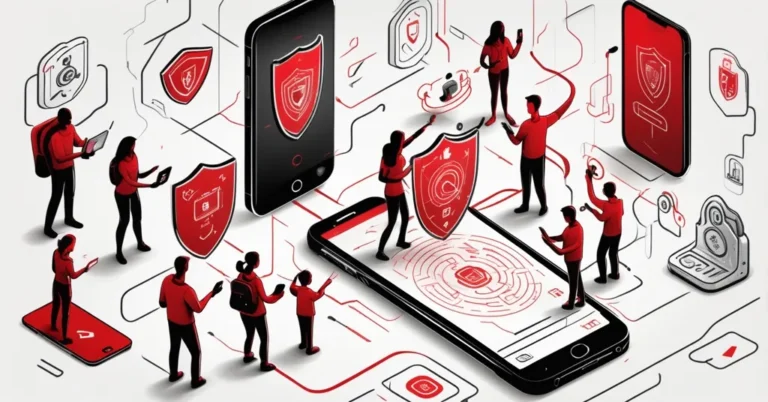
When Grandma gets a “bank alert” at 2 a.m., it’s not just annoying — it can be dangerous. Truecaller’s new family protection feature lets one trusted person manage a small household group, receive scam-call alerts, share blocklists and — on Android devices — remotely hang up suspected scam calls. The aim: turn crowd-sourced spam signals and AI into a simple family shield.
- TL;DR
- Truecaller now supports a free family-admin group (up to five members) that alerts a designated admin about suspected scam calls and can remotely disconnect Android calls.
- AI features include voicemail summarization and exploratory screening to identify scam types and trigger auto-disconnects on high-risk phrases.
- Platform limits (Android vs iOS), regulatory shifts like CNAP and SIM‑binding debates, and business pressures mean this is both a product and strategic play.
Why this matters: scam calls at scale
Scam and spoofed calls are a large and growing problem, particularly in India. Truecaller reports it identified more than 7.7 billion fraud calls in India last year and says it has over 450 million monthly active users globally. That volume creates both urgency and opportunity: consumers want protection, and companies that can provide meaningful safety features stand to increase engagement and trust.
How the family protection feature works
Core elements are straightforward and designed for non-technical users:
- Admin role: One trusted person can set up a group of up to five members and receive alerts when any member gets a suspected scam call.
- Remote hangup (Android only): For members on Android, the admin can remotely disconnect a suspected scam call. iOS limitations prevent remote hangups there, so iOS members still get alerts but cannot be disconnected remotely.
- Shared blocklists: Admins can block numbers and whole international codes and push these blocklists to members to reduce repeat exposure.
- Optional telemetry (Android only): Members can grant the admin optional read-only telemetry — walking/driving status, battery level, phone sound mode — so admins avoid interrupting someone while driving or sleeping.
- Privacy boundaries: Admins are explicitly prevented from accessing non-spam call histories or reading SMS content of other group members.
Mini-case: how it plays out at home
Mrs. Rao, 72, gets a call claiming her bank locked her account. Her son, the family admin, gets an immediate Truecaller alert. Because Mrs. Rao is on Android, he taps “disconnect” and the call ends. A voicemail assistant — if enabled — generates a short summary: “Caller claims to be from bank, requests OTP.” The son uses the summary to report and block the number, and the same block rule propagates to the rest of the household. The scam is stopped, and the family has a record for future reference.
Where AI fits: voicemail, screening and labels
Truecaller isn’t just adding admin controls — it’s layering AI into the safety workflow. In India the company already runs an AI voicemail assistant that summarizes missed calls. Next steps it’s exploring include:
- AI-driven classification to identify scam types (tax, bank, tech-support, fake arrest) so admins know what they’re dealing with at a glance.
- Trigger-based auto-disconnects that can terminate calls when high-risk phrases like “digital arrest” are detected — a system that promises speed but raises false-positive concerns.
- Smarter blocklists and community scoring that refine spam detection using millions of user reports and behavioral signals.
Platform asymmetry: why Android can hang up and iOS can’t
Android exposes APIs that let apps manage call behavior more directly; iOS does not. That explains the functional gap: admins can remotely disconnect Android calls, while iOS users receive alerts without remote hangup capability. This is a product reality and a reminder that platform permissions shape what consumer security apps can and cannot do.
Regulatory and market context
Two regulatory developments are worth defining and watching:
- CNAP (Caller Name Presentation): a carrier-driven system that displays a caller name at the network level. CNAP can reduce spoofing for some calls but usually offers less context than community-driven systems.
- SIM binding: proposals to tie phone numbers to stricter identity controls, which could affect authentication flows for apps and restrict how messaging and calling apps operate.
Truecaller’s CEO has noted CNAP’s rollout has been partial so far and argues users can use CNAP and Truecaller together — carriers supply a baseline caller name, while apps add crowd-sourced reputations and behavioral protections. That’s a pragmatic positioning: caller ID from the network helps, but it doesn’t replace contextual flags, blocklists or AI summaries.
At the same time, Truecaller is navigating headwinds. Its stock fell roughly 80% over the past year, and the company reported a steep decline in profitability and ad revenue — Q4 2025 EBITDA fell about 49% year-on-year and ad revenue declined roughly 31%. Product moves that increase daily utility and stickiness are sensible when ad models are under pressure.
Risks, trade-offs and governance
The feature raises trade-offs that businesses and regulators will scrutinize.
- False positives: AI auto-disconnects could drop legitimate calls. Recovery paths (notifications, whitelist, quick rollback) must be built in.
- Misuse of admin power: Handing call-control to a single individual can be beneficial for elders but risky among consenting adults. Robust consent flows, time-limited or revocable admin rights, and audit logs are essential.
- Privacy and consent: Optional telemetry like location/motion should be granular and revocable, with clear UX explaining why data is requested and how it’s used.
- Regulatory pushback: Telecom regulators could limit remote call controls or mandate stricter consent, especially where cross-border number blocking is involved.
Concrete safeguards to implement
- Multi-step admin setup with explicit consent from each member and a recorded timestamp.
- Time-limited admin powers (e.g., 30-day default) and easy revocation from member devices.
- Rate limits and cooldowns on remote disconnects to prevent abuse.
- Audit trails showing which admin ended which call and when, visible to group members.
- Whitelisting mechanisms and quick undo for falsely disconnected calls, plus automatic notifications to members.
Metrics & KPIs executives should watch
- Adoption rate of family groups (percent of users creating a family admin group).
- Blocklist propagation — number of shared blocks per household and update frequency.
- Calls auto-disconnected versus false-positive rate (manual override incidents).
- DAU/MAU lift and retention among households using the feature.
- Customer-reported fraud incidents pre- and post-adoption in protected households.
What businesses should do next
For telecom operators, consumer-security vendors, and enterprises that rely on phone-based verification:
- Audit overlap and gaps between CNAP and app-driven reputational signals; consider partnerships that combine both.
- Test household admin flows and consent UX in controlled pilots before wide release.
- Define abuse mitigation policies and integrate audit logs and whistleblower options.
- Monitor regulatory developments around SIM binding and CNAP in each market you serve; adapt authentication and messaging strategies accordingly.
FAQ — quick answers executives want
Will a single admin actually reduce fraud risk for a household?
Yes — when configured correctly an admin can reduce exposure by sharing blocklists, disconnecting flagged Android calls, and using AI summaries to triage suspicious voicemails. It’s most effective protecting less tech-savvy or elderly members.
Is the remote hangup safe from abuse?
Partially — current privacy boundaries prevent admins from reading SMS or full non-spam call histories. But safeguards (time limits, consent revocation, audit logs) are needed to prevent misuse among adults.
How reliable will AI-based screening and auto-disconnect be?
Promising but imperfect — AI can surface high-probability scam calls and summarize voicemails, yet false positives and negatives will persist until models and signals improve. Monitoring and human review workflows are essential early on.
Will CNAP and SIM‑binding hamper Truecaller’s growth?
They could narrow certain advantages like basic name display, but community-driven context, AI tooling and household features can remain differentiated value propositions if adapted to coexist with carrier solutions.
Final thought for leaders
Truecaller’s family protection is more than a convenience feature — it’s a defensive product strategy that converts community signals into household-level safety. The mix of crowd-sourced reports, AI voicemail summaries and Android call controls is pragmatic: combat billions of scam calls with concerted, identity-aware tooling. That said, success depends on UX, governance, and regulatory navigation — and on proving the feature reduces real-world harm without introducing new risks.
Request the 3–5 slide executive brief — ready for board decks — to map product implications, privacy/regulatory risks and recommended next steps tailored to telecoms, consumer security vendors and enterprises.
Kunal Dua, Truecaller Chief Product Officer (paraphrased): “Many people know someone harmed by fraud; this feature marks a notable shift in how Truecaller approaches that problem.”
Rishit Jhunjhunwala, Truecaller CEO (paraphrased): “CNAP is only partially rolled out so far and its effect on our user growth has been limited; users can use CNAP and Truecaller together — Truecaller provides more context and additional solutions.”