
Watching the NBA on Apple Vision Pro: Courtside presence, UX headaches, and the road to mainstream
TL;DR: A three-hour Lakers–Bucks replay on Apple Vision Pro (M5) often felt like a VIP courtside seat—sight, sound, and bench moments landed—yet scoreboard placement, camera blind spots, and a missing social layer keep immersive sports from being a habit rather than a novelty. Broadcasters and product teams should prioritize UX fixes, social integration, and AI-driven overlays to scale this experience.
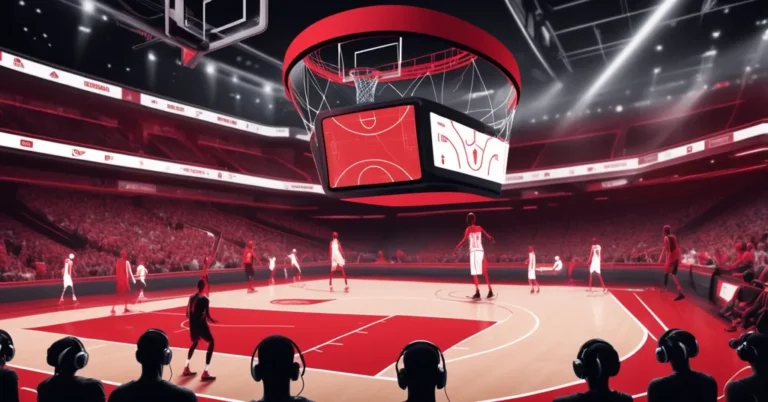
Watching courtside felt shockingly real: the on-court sound, the closeness of players, and bench chatter made the headset feel like a VIP seat—until the scoreboard forced me to keep looking down.
Hardware and comfort: what the Vision Pro brings
Apple Vision Pro is positioned as a premium device at roughly $3,500. The M5—Apple’s latest Vision Pro chip—powers higher-resolution imagery and smoother transitions. Extended reality (XR) here means a mix of virtual and spatial displays that make video feel like it exists inside your room.
The dual-knit band with tungsten counterweights matters. It balances the headset’s weight and made a three-hour session tolerable. The headset still has a presence on your face—weight, a slight heat behind the ears—but it no longer feels like a punishment to wear for a full game.
How the immersive feed was delivered
Spectrum Front Row (via Spectrum SportsNet in select regional territories) provided the live courtside stream. For viewers outside those regions, the NBA app offered full-game replays with a free ID. The immersive feed used three primary camera angles: scorer’s-table/courtside, behind the backboard, and center court.
That limited camera palette was used intelligently. The producer paced cuts so angle switches felt predictable. It was an improvement over earlier experiments like the 2023 MLS Cup immersive highlights where rapid or awkward cuts caused disorientation.
What worked — sensory moments that beat TV
- Sound that makes you lean in: On-court audio and bench chatter felt immediate. Hearing a teammate yell instructions or clapping after a hustle play added emotional context TV often filters out.
- Proximity that tricks your brain: Players looked and felt close in a way broadcast zooms can’t replicate. That illusion of “being there” was the clearest win.
- Cleaner camera choreography: With three deliberate angles, the feed avoided the jerky, disorienting cuts that hurt earlier immersive streams.
UX gaps that still break the illusion
Several friction points repeatedly pulled me out of the experience. These are practical problems, not wish-list polish.
- No commentary toggle: You can’t switch off the broadcast commentary to hear only the arena-like soundscape. That mix matters for realism.
- Scoreboard and clock placement: The score and game clock sit low in the virtual field, forcing frequent head tilts. Midway through the second quarter I kept craning my neck to check the time—small, repetitive motions that become annoying after an hour.
- 180° camera blind spots: Fixed camera geometry creates corner blind spots. Plays that run into those zones can disappear from view.
- Limited social integration: No live fan reactions, beat-reporter takes, or in-stream betting overlays. Immersive presence feels lonelier without the social web that amplifies big moments.
- Regional rights and availability: Live immersive streams are restricted by carrier and region—an obvious barrier to scale.
The missing social and interactivity layer
Modern sports viewing is a social product. People watch with second screens, threads, and live bets. The Vision Pro got the sensory layer right but boxed out the chatter, commentary, and commerce that drive engagement and monetization.
Opportunities here are obvious: picture-in-picture social feeds, a timeline of beat-reporter takes, live stat overlays, and betting or commerce micro-interactions. Those layers should feel optional and lightweight; they must not yank the viewer out of the “you’re there” feeling.
How AI and tech could close the gap
Two technical directions will make immersive sports genuinely scalable.
- Better virtual viewpoints: Multi-camera stitching and synthetic viewpoints (3D reconstruction techniques like neural radiance fields, simplified) can create flexible perspectives without dozens of physical cameras. That reduces blind spots and lets viewers nudge their viewpoint slightly while keeping realism.
- AI-driven personalization: Real-time models can surface instant micro-highlights, contextual stats, and tailored audio mixes. Nearby servers that process data fast (edge compute) make low-latency overlays possible.
Latency matters. Sub-second timing feels live. Multi-second lag breaks sync with social and betting feeds. Systems that combine live video, stats, and AI must prioritize ultra-low latency for the experience to feel cohesive.
Business implications: who wins and who should care
Immersive sports unlocks new value for a few players:
- Broadcasters and leagues: Premium streams, new ad formats, and subscription tiers tied to immersive experiences.
- Advertisers and sponsors: Highly targeted spatial ads and branded overlays in a premium environment.
- Betting platforms and commerce partners: Micro-bets and in-stream offers that capture attention at peak emotional moments.
There are losers too: stadium ticketing and local venues could feel pressure if a premium at-home courtside experience scales. Rights complexity also means slow geographic rollout. That makes pilot programs and selective partnerships the right strategic move.
What this means for executives
- Run short, measurable pilots (100–1,000 fans) that capture engagement and subjective immersion scores.
- Prioritize UX fixes that reduce friction: scoreboard placement, commentary control, and social overlays.
- Measure business outcomes: session length, share rate, micro-transaction conversion, and retention.
Quick checklist for product teams
- Commentary-off toggle — Low complexity. High user satisfaction. Let fans choose arena sound only.
- Floating scoreboard anchored to eye-line — Medium complexity. Reduces head movement and preserves immersion.
- Picture-in-picture social feed with delay control — Medium complexity. Keeps fans connected without breaking immersion.
- AI micro-highlights pushed during breaks — Medium-high complexity. Drives replays and social sharing; boosts monetization.
- Stitched synthetic viewpoints (pilot) — High complexity. Long-term payoff: fewer blind spots and richer viewer control.
How to watch today
Live: Spectrum Front Row via Spectrum SportsNet in select regional territories. Availability depends on your cable/subscription and region.
Replay: NBA app offers full-game replays on Vision Pro if you have a free NBA ID. Note regional restrictions still apply to live streams.
Key takeaways and questions for leaders
Does Apple Vision Pro deliver a true courtside experience?
Yes—sensory elements like proximity and bench audio convincingly simulate courtside presence. But UX breaks (scoreboard, blind spots) still interrupt the illusion.
How can broadcasters add value quickly?
Add a commentary toggle, a floating scoreboard anchored to the viewer’s eye-line, and optional social picture-in-picture. These are high-impact, low-to-medium complexity fixes.
Will immersive sports become mainstream?
It can scale if rights holders, broadcasters, and platform teams solve availability and integrate social, personalization, and low-friction commerce. AI-driven features will be decisive for personalization and replays.
Which KPIs should pilots track?
Session length, replay rate, social shares, micro-transaction conversion, subjective immersion score (post-session survey), and churn/retention among repeat viewers.
Suggested metadata (for SEO)
Suggested meta title: Watching NBA on Apple Vision Pro: Is Immersive Sports Ready for Prime Time?
Suggested meta description: A three-hour test of Spectrum Front Row on Apple Vision Pro—what works, what breaks the illusion, and where broadcasters should invest next.
Image and visual suggestions
- Screenshot alt text: “Apple Vision Pro courtside view showing three-camera immersive feed.”
- Diagram alt text: “Camera positions for immersive courtside feed: scorer’s table, behind backboard, center court.”
- UI mock alt text: “Floating scoreboard anchored to viewer eye-line and optional social picture-in-picture.”
The Vision Pro already delivers emotional, sports-sized moments that traditional broadcasts can’t match. The next winners will be the teams and platforms that stitch that sensory “being there” into a social, data-rich product—using AI where it speeds personalization without stealing the magic. If you’re running a broadcast, streaming platform, or rights strategy, the practical next step is a focused pilot: fix the scoreboard, give fans control over commentary, and add a lightweight social layer. Those moves move immersive sports from headline novelty toward a reliable, monetizable viewing habit.
Want to pilot this for your audience? Share your experience or reach out to discuss measurable pilots and product roadmaps for immersive sports and XR monetization.