
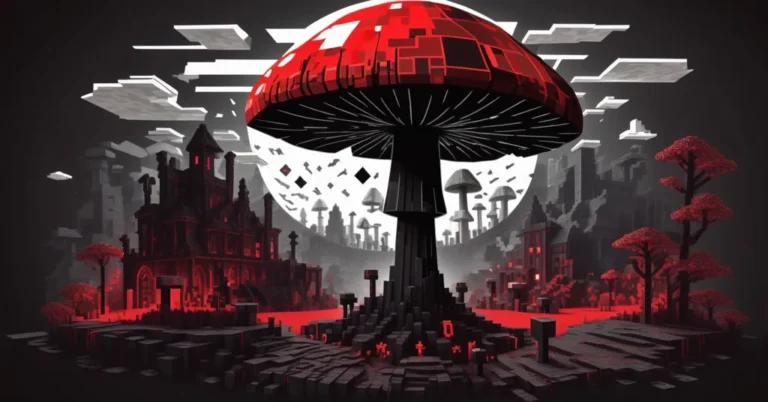
Video Game Mashups: Minecraft and Mario in Elden Ring
The headline promises a mashup, but the linked post offers only a newsletter signup and social links. There are no screenshots, downloads, playable mods, or attribution. As of 2026-10-06 I inspected the linked page and the listed social handles and found no primary artifacts showing Minecraft or Mario assets running inside Elden Ring.
What the record shows (timestamped)
The public post under that headline contains only promotional and contact material. It has no mod files, images, or technical notes. Notable lines on the page include:
“Join My Newsletter for Regular AI Updates
https://forwardfuture.com”
Social and contact links shown on the page point to Matthew Berman / Forward Future channels and a sponsorship contact:
- X: https://x.com/matthewberman
- Forward Future X: https://x.com/forwardfuture
- Instagram: https://www.instagram.com/matthewberman_ai
- Discord invite: https://discord.gg/u7wTTGWhuJ
- Spotify show: https://open.spotify.com/show/6dBxDwxtHl1hpqHhfoXmy8
- Media/sponsorship CTA: https://bit.ly/44TC45V
None of those links (checked 2026-10-06) pointed to downloadable mashup assets or a demonstration video tied to the headline.
Why that matters
A headline like “Minecraft and Mario in Elden Ring” suggests one of three things: a playable mod, a cosmetic or texture pack, or AI-generated imagery. Each option differs in technical difficulty, distribution path, and legal risk. Without artifacts or creator attribution you can’t responsibly call it a playable mod or an official crossover.
Three common mashup methods, and how to verify each
-
Modding (asset imports, code patches)
What it is: Replacing or adding models, animations, or scripts so a game runs new content at runtime. For Elden Ring this normally targets PC builds and requires work on rigging, collision, and animation mapping so the new model behaves correctly in the engine.
Verification test: Ask for (1) a downloadable mod archive (.zip.7z) with a clear install path, (2) a short gameplay video showing the mod running in a clean game install with visible file paths or mod manager UI, and (3) an author changelog or commit history (GitHub/Nexus upload).
-
Texture/skin packs
What it is: Cosmetic swaps that replace surface textures or UI elements. These are easier to create for Minecraft and more involved for Elden Ring, though still possible for HUD or simple textures.
Verification test: Request the texture files and a before/after screenshot that shows file locations and the exact texture paths so someone else can reproduce the result locally.
-
AI-generated visuals or video edits (non-playable)
What it is: Concept images or short clips that blend styles using text-to-image, inpainting, or compositing. These can look convincing but are not in-game integrations.
Verification test: Ask for the prompt, model name/version, seed (if applicable), and any source images used for inpainting. Also request the original uncompressed file or a provenance record so you can confirm it’s AI art, not a gameplay capture.
IP and platform reality check
These franchises are controlled by different rights holders: Nintendo (Mario), Mojang/Microsoft (Minecraft), and FromSoftware/Bandai Namco (Elden Ring). Enforcement and tolerance of fan mods vary by owner and by whether the use is non-commercial. Do not assume legality. Start by reviewing each rights holder’s published policy and consult legal counsel for commercial plans.
How to verify a claimed mashup, a reproducible checklist
- Check the poster’s channels for direct evidence: look for a mod page on Nexus Mods, a repo on GitHub, a Steam Workshop entry, or a dedicated YouTube demo. Use search terms like “Elden Ring Mario mod, ” “Minecraft Elden Ring texture, ” or “Elden Ring Mario skin.”
- Inspect images and videos for metadata: download original files and check EXIF/creation metadata, file names, video timestamps, and any commentary or overlays that indicate a real gameplay environment.
- Request an installable package and an install demo: a reproducible mod should include an archive, install steps, and a short screencap showing the mod active in a clean environment.
- Use Wayback/Archive.org if a page has been removed. It can reveal takedowns or earlier evidence.
- Verify provenance: ask for author attribution, changelogs, commit history, or Nexus/GitHub upload entries with timestamps and user accounts.
- When seeing AI imagery, request the prompt, model, seed, and source images. If a creator won’t share provenance, treat the asset as unverified fan art.
Paste-ready reporter outreach (use or adapt)
Hello, I’m researching the “Minecraft + Mario in Elden Ring” post you linked. Can you provide the following so I can verify before publishing?
- Downloadable mod archive and clear install instructions (or a GitHub/Nexus link).
- A short unedited gameplay video showing the mod running in a clean install with visible file paths or mod manager UI.
- Author attribution and changelog/commit history.
- If the asset is AI-generated, the prompt, model name/version, seed (if available), and the original uncompressed image/video.
Thanks, I’ll link back to any originals and credit you for materials.
AI-generated art: what it changes (and what it doesn’t)
Popular text-to-image and inpainting models (for example, Stable Diffusion, Midjourney, DALL·E) make fast, convincing cross-franchise visuals possible. That speeds up concept work and viral creativity, but it also creates ambiguity. An image can look like a playable mashup even when it’s only a composited render.
Publishers and businesses should label AI-generated content clearly. Verify whether a submitted asset is in-game or generated art and ask for prompt and model metadata when coverage claims functionality.
Practical guidance for creators and businesses
- Label transparently. If it’s AI art, say so. If it’s a proof-of-concept mod, state compatibility and install instructions.
- Host provenance where it’s clear. Use GitHub for code, Nexus for mods, and YouTube for demonstration videos with timestamps and descriptive upload notes.
- Don’t commercialize without permission. Fan projects can be tolerated; monetizing third-party IP without a license is risky.
- Keep a rollback plan. Archive statements, changelogs, and evidence in case a rights holder requests removal.
Three smart pivots when a headline outpaces evidence
- Report the metadata: who published the headline, what links exist, and what you checked and couldn’t verify.
- Tell a useful background story: how fans typically produce mashups, the technical hurdles, and the legal landscape, with concrete verification steps readers can use.
- Create labeled concept work: commission AI visuals or prototypes and clearly mark them as concepts while you pursue primary artifacts.
Sources and links checked (timestamped)
- Forward Future newsletter landing: https://forwardfuture.com (checked 2026-10-06)
- Matthew Berman, X: https://x.com/matthewberman (checked 2026-10-06)
- Forward Future, X: https://x.com/forwardfuture (checked 2026-10-06)
- Instagram: https://www.instagram.com/matthewberman_ai (checked 2026-10-06)
- Discord invite: https://discord.gg/u7wTTGWhuJ (checked 2026-10-06)
- Spotify show: https://open.spotify.com/show/6dBxDwxtHl1hpqHhfoXmy8 (checked 2026-10-06)
- Media/sponsorship CTA: https://bit.ly/44TC45V (checked 2026-10-06)
- Example methodology resource for community analysis: elayer: GitHub repository “Steam‑Elden‑Ring‑Reviews‑Project” (contains an LSA/LDA notebook for Steam review topic extraction).
Key takeaways, questions you might ask (short, honest answers)
-
Do playable “Minecraft + Mario in Elden Ring” mashups exist based on the linked post?
No, the linked post contains only a newsletter CTA and social/contact links; no downloadable mods, screenshots, or demo videos were provided (checked 2026-10-06).
-
Who made the mashups?
No creator attribution or mod author was supplied with the headline. The social handles on the page point to Matthew Berman / Forward Future, but that does not confirm authorship of any mashup assets.
-
Is it legal to mash major IPs together?
It depends. Rights holders’ policies and enforcement vary. Review published policies and consult counsel before redistributing or monetizing fan mashups.
-
How can I verify or find the actual mod or media?
Search mod hubs (Nexus, GitHub, ModDB, Steam Workshop), YouTube, and Reddit; request installable files and demonstration videos from the poster; check Wayback for removed pages.
-
Are AI-generated mashups the same as playable mods?
No. AI-generated visuals can mimic an in-game look but are not interactive, always ask for provenance (prompt, model, seed) and label accordingly.
Headlines get attention. Verification earns credibility. When a tease lacks artifacts, reporters and businesses can still deliver value by verifying provenance, running reproducible checks, and explaining the technical and legal stakes. That separates a viral rumor from a responsible story and saves you from amplifying something that looks real but isn’t.