
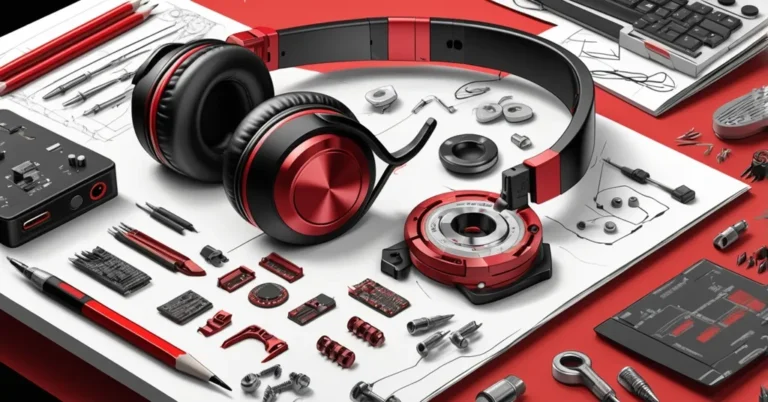
Fender Mix Review — Modular headphones built for office, hi‑res audio and low latency
Quick verdict:
- Fender Mix are modular, repairable headphones that prioritize long battery life, versatile connectivity and studio‑quality wired playback (96kHz/24‑bit).
- They deliver their best sound and lowest latency when paired with the removable USB‑C transmitter; standard Bluetooth can be bass‑forward and uneven.
- ANC is mid‑tier — fine for focused office or study use but not a substitute for flagship Sony or Bose noise cancellation on loud flights or gyms.
Key specs at a glance
- Price: $299 (preorder; Skyscraper Black, Olympic White)
- Hi‑res Lossless Mode: up to 96kHz / 24‑bit (via USB‑C transmitter)
- Low Latency Mode: as low as ~20 ms when using the USB‑C transmitter
- Connectivity: standard Bluetooth, Auracast (Bluetooth LE Audio), wired, USB‑C via removable transmitter/dongle
- Design: modular — removable ear pads, user‑accessible battery, removable transmitter in left cup
- Controls: two on‑device multifunction controls (joystick‑style + mode button); no companion app
- Battery: company‑claimed marathon life (approximately 100 hours)
Design and repairability — modular headphones aimed at longevity
Fender clearly designed the Mix around longevity and serviceability. Removable ear pads and an accessible battery behind the right earcup make routine repairs and part swaps straightforward, and the USB‑C transmitter stows in the left cup when not in use. For procurement teams and sustainability‑minded execs, repairable headphones are a strong argument for lower total cost of ownership and reduced e‑waste.
That modularity also shapes deployment: organizations can keep spare batteries and transmitter dongles in IT inventory, or standardize a wired transmitter for shared workstations, classrooms, and meeting rooms.
Audio quality — two distinct personalities
The Mix presents two different audio characters depending on how you connect them.
- USB‑C transmitter / Lossless Mode: This is where the Mix shines. Using the removable USB‑C dongle unlocks the 96kHz/24‑bit Lossless Mode and noticeably improves stereo balance and clarity. Mids are cleaner, vocal reproduction is crisper, and bass is taut rather than bloated — much closer to studio intent than the Bluetooth experience.
- Bluetooth: Convenient and fully featured (including Auracast support), but more variable. Over Bluetooth the sound can skew bass‑heavy and show channel imbalance in some units or pairings. Codec behavior (AAC, SBC, or LC3 depending on host device) affects results — the USB‑C path is the reliable route for critical listening or demoing content.
With the USB‑C transmitter connected, the Mix shift from a bass‑heavy, uneven presentation to a balanced, much more polished sound.
Practical example for teams: music or podcast producers who prioritize fidelity for review sessions will prefer wired/transmitter mode. Sales, training and executive demos that need consistent speech clarity should standardize on the transmitter where possible.
Latency & low‑latency headphones use cases
Fender advertises a Low Latency Mode and real‑world testing showed latency as low as about 20 ms when the USB‑C transmitter is engaged. That level of latency keeps audio and on‑screen video feeling in sync for casual gaming, video calls and agent demos. Competitive esports still favors wired headsets, but for most corporate needs — remote product demos, AR/VR pilot sessions with AI agents, or live annotated training — the Mix in transmitter mode is solid.
Noise cancellation — competent, not class‑leading
ANC performance sits in the middle of the market. It reduces ambient hum and chatter effectively in quiet offices, libraries and commuter trains, but it struggles in very loud or variable environments like planes, busy cafés or gyms. If road warriors or frequent flyers require the highest ANC fidelity, Sony’s WH‑1000XM series and Bose QuietComfort remain the safer choices.
The Mix are a compelling entry from a legacy audio brand, but not yet at the level of Sony or Bose on noise cancellation or consistent sound.
Controls, software and enterprise considerations
Fender deliberately omitted a companion app. All controls — playback, ANC/EQ modes and pairing — live on the right earcup via a joystick‑style control and a secondary button. That keeps the user experience device‑centric, but it has tradeoffs for enterprise deployment:
- No visual EQ or preset management makes it harder for IT teams to standardize tonal profiles across users.
- Absence of an app limits the path for firmware‑delivered improvements to Bluetooth tuning unless Fender provides a desktop/OTA firmware tool.
- Device management and MDM integration are constrained — organizations that rely on app‑driven provisioning or telemetry should factor that into purchasing decisions.
On the positive side, fewer cloud dependencies can simplify privacy profiles for regulated environments. But firms investing in large fleets may prefer headphones that support centralized updates and diagnostic reporting.
Auracast and shared audio — an underrated enterprise feature
Auracast (Bluetooth LE Audio) support is a forward‑looking inclusion. It enables one‑to‑many broadcast audio in venues, classrooms and training centers without a wired connection. For enterprise AI use cases — live transcription fed to an AI model, language translation streams, or synchronized audio for hybrid training — Auracast can simplify logistics and reduce the need for multiple dongles or shared earbuds.
Battery life & real‑world endurance
Fender’s marketing claims approximately 100 hours of battery life. Over several days of mixed use — Bluetooth listening, intermittent USB‑C sessions and regular ANC toggling — the Mix felt class‑leading for multi‑day office stretches. That said, exhaustive lab runtime tests weren’t performed here, so procurement teams should plan device‑rotation policies and spot‑check real units under their typical workloads.
Repairability, TCO and sustainability
Easy access to the battery and replaceable ear pads reduce long‑term costs and support ESG initiatives. For organizations budgeting hardware refresh cycles, repairable headphones mean fewer full replacements and lower lifecycle costs. Fender’s modular approach also makes it practical for IT teams to stock replacement ear pads or batteries rather than entire units.
Who should buy the Fender Mix — and who should look elsewhere
- Buy if: You need repairable headphones with excellent wired/transmitter fidelity, very long battery life, and Auracast for shared audio scenarios. Ideal for office/study environments, training rooms, distributed teams and casual gaming.
- Don’t buy if: You require industry‑leading ANC for frequent flights or noisy open environments, or you need app‑based EQ, centralized firmware management, or perfectly consistent Bluetooth audio without relying on a dongle.
Alternatives & quick comparison
- Sony WH‑1000XM5/6: Best‑in‑class ANC and app customization; better for heavy travelers but pricier and less repairable.
- Bose QuietComfort: Strong ANC and comfort for long flights; fewer hi‑res wired features than Mix.
- JBL Live 770NC: Competitive mid‑tier ANC and app features at a similar price point; less emphasis on modular repairability.
- Sennheiser models: Comparable ANC in some cases; look for specifics on hi‑res support and modularity.
Pros / Cons
- Pros: Modular, repairable design; 96kHz/24‑bit wired Lossless Mode; removable USB‑C transmitter for low latency; Auracast support; long battery life.
- Cons: Bluetooth can sound bass‑heavy and uneven; ANC is mid‑tier; no companion app for EQ/firmware management; unclear water/sweat resistance for workouts.
Key questions executives and IT buyers ask
- Are the USB‑C transmitter and Lossless Mode necessary?
For the best sound and lowest latency, yes — the USB‑C transmitter smooths tonal balance, unlocks 96kHz/24‑bit playback, and reduces latency to around 20 ms in tests.
- Is the ANC good enough for travel?
ANC is competent for office and commuter use but falls short of the flagship Sony and Bose implementations for noisy flights or gym environments.
- Will Fender provide firmware fixes or an app to address Bluetooth imbalance?
Fender has not announced a companion app; firmware updates could mitigate Bluetooth tuning, but the lack of an app limits user control and enterprise provisioning options.
- Are these suitable for shared training rooms or AI‑driven sessions?
Yes — Auracast and the removable transmitter make the Mix well‑suited for shared audio, live transcription, and low‑latency demos with conversational AI agents or synchronized training content.
Bottom line
Fender Mix is a thoughtful, first‑rate effort from a legacy audio brand that prioritizes modularity, hi‑res wired fidelity and battery endurance over chasing headline ANC numbers. For organizations and executives focused on repairability, long device lifecycles, and modern shared‑audio use cases — especially those experimenting with AI‑driven training, transcription or low‑latency demos — the Mix is a strong candidate. If crystal‑clear Bluetooth consistency, app‑driven customization, or top‑tier ANC are non‑negotiable, evaluate Sony, Bose or feature‑rich JBL alternatives before committing.