
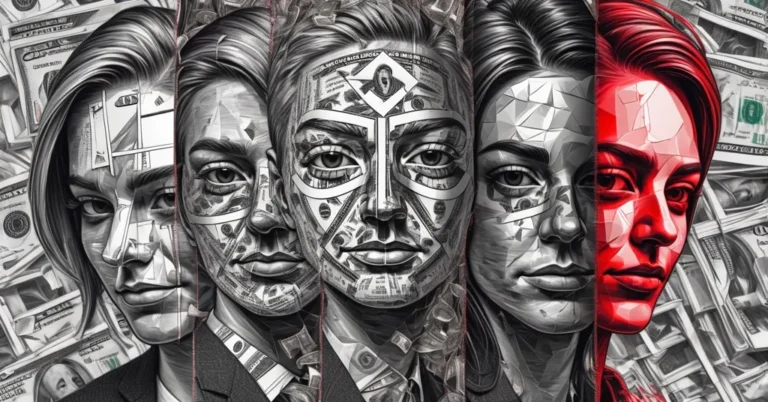
Deepfakes are wrecking influencers’ credibility, and the costs are already measurable
Publicly reported losses tied to deepfake-enabled scams reached roughly $2.19 billion for incidents between January 2020 and June 2026, according to an incident-based investigation by VPN maker Surfshark. The analysis found social‑media‑origin incidents accounted for about $1.73 billion of the total and impersonation fraud roughly $911 million. Surfshark says these totals are conservative because they rely on publicly reported cases and assembled incident databases.
For creators, the numbers are more than data points. They arrive as screenshots. Emily Schuman, the creator behind Cupcakes and Cashmere (more than 500, 000 Instagram followers), told reporters she found an Instagram ad that showed her holding a vial of GLP‑1 medication for a telehealth company she’d never worked with. “It’s so violating, ” she said after discovering the image was AI‑generated.
Why creators are an easy target
Creators publish photos, videos, interviews and public appearances constantly. That steady stream of public media is exactly the fuel generative models need to learn a person’s face, expressions and voice.
“They have hundreds of hours of footage and thousands of pictures of them online. So you can feed that into a model and produce a fairly convincing deepfake, ” Alice Marwick, director of research at the Data & Society Research Institute, explains.
Once a convincing likeness exists, bad actors can drop it into ad funnels, affiliate schemes or phishing campaigns. Ad platforms optimize for engagement and conversion, which can unintentionally amplify realistic fakes before moderation catches them.
Two related but distinct phenomena
- Impersonation scams: Unauthorized deepfakes that mimic real people to defraud audiences, fake endorsements, or redirect purchase/affiliate traffic. These cause direct reputational and economic harm to the impersonated creator.
- Virtual influencers: Intentionally created, AI‑generated personas used by brands and agencies. When clearly disclosed and contracted, they’re a marketing choice rather than fraud, but they share the same underlying tech and create additional disclosure and ethical questions.
Conflating these two makes it harder to design policy and product solutions. The fights over takedowns, disclosure and liability differ depending on whether the influencer is real and impersonated, or synthetic and intentionally deployed.
Real harms, messy remedies
Harms range from lost deals and damaged audience trust to the time and expense of fighting takedowns and lawsuits. Molly Tranchin (FashionVeggie), who has more than 500, 000 Instagram followers, alleged in court filings that an underwear brand posted a deepfaked video that exposed her through a sheer bra after she had produced contracted marketing videos. According to filings, she dropped the suit for lack of jurisdiction while preparing to refile. An Eby spokesperson, Clara Spahr, said the company couldn’t comment on pending litigation but would address claims through the legal process.
Other creators report similar violations: altered images used to hawk skincare, manipulated pins redirecting to affiliate links, and fake videos on subscription platforms that trick fans into sending money. The pattern is the same: a creator’s likeness is used without permission, followers are misled, and the creator must shoulder the cost of proving misuse.
How big is the risk to the ad ecosystem?
Surfshark’s dataset, built from public incident databases and reports spanning January 2020 through June 2026, provides a conservative picture: roughly $2.19 billion in documented deepfake‑linked losses, with social media as the largest origin. Because this analysis depends on publicly visible incidents, it likely undercounts smaller or unreported scams and excludes non‑monetary harms such as damaged reputation or lost sponsorship opportunities.
Independent journalism has also raised questions about platform incentives. A 2025 Reuters investigation reported internal materials and data that raised concerns about the scale of scam‑linked ads on major platforms and how ad revenues can create conflicts when policing is costly. Those findings explain why enforcement can feel slow: the economics of ad networks and programmatic buying complicate rapid, consistent takedowns.
What platforms say they’re doing, and the limits
Both Meta and TikTok prohibit using artificial or digitally manipulated media to replicate a person’s identity in ads. Meta announced new advertiser‑verification steps and pilots for AI‑detection tools in March 2026 intended to reduce so‑called “celeb‑bait.” Yet creators and researchers report that enforcement still lags. Bad actors can rotate accounts, run small, highly targeted campaigns that fly under automated filters, or place creatives through third‑party ad networks, extending the life of fraudulent ads.
Detection and verification matter, but they are imperfect. Automated detectors have false positives and false negatives. Adverts can be served before tools flag them, and takedown processes, legal requests, jurisdictional discovery, or platform appeals, can stretch for days or weeks, plenty of time for a fake to do damage.
Practical defenses, prioritized, actionable steps
Creators and brands can reduce risk with a prioritized playbook. These are concrete moves you can take now, in the short term, and to prevent future abuse.
Immediate (0-24 hours)
- Capture and preserve evidence: screenshot the ad, note the platform ad ID, advertiser name, landing URLs, UTM parameters and timestamps. These details strengthen takedown requests and legal claims.
- Use platform transparency tools: check Meta’s Ad Library and TikTok’s ad/creator transparency dashboards for copies of the creative or advertiser details; archive entries using screenshots or the platform’s export features.
- Publicly notify your audience: a short pinned post or story clarifying that the ad is fake limits reputational fallout and reduces the scam’s conversion rate.
Short term (days, weeks)
- Report to the platform and to merchants/processors: file formal ad reports, submit DMCA or likeness‑based complaints when applicable, and notify payment processors or affiliate platforms that appear in the campaign’s trail.
- Engage forensic detection vendors and counsel. Specialists such as Sensity (formerly Deeptrace) or Resemble.AI and experienced IP/rights‑of‑publicity counsel can help trace origins and pressure platforms or advertisers to reveal buyer identities.
- Track takedown timelines: log the date and time you reported and the platform’s response. If the ad persists, escalate to legal demand letters or public pressure backed by the evidence you preserved.
Preventative (contracts, tech, governance)
- Contract language you should require: an explicit AI/derivative and likeness clause that (a) warrants creatives are original and licensed, (b) gives creators audit rights over the creative supply chain, and (c) includes indemnity for unauthorized use. Insist on one round of edits and signed acceptance of final creative before distribution.
- Adopt content provenance where possible: use content credentials and standards such as C2PA (Content Authenticity Initiative / Content Credentials) when platforms support them. Visible watermarks help consumers but are easy to remove. Cryptographic provenance offers stronger proof but is not yet universally adopted.
- Operational hygiene for brands: require agencies and programmatic partners to produce creative provenance, advertiser verification documentation and campaign lineage (agency IDs, ad account IDs, DSP/SSP records) before funds flow.
None of these steps are bulletproof. Watermarks can be stripped, provenance metadata can be lost during reupload, and legal remedies vary by jurisdiction. Taken together, though, they raise the cost for bad actors and speed remediation when impersonation occurs.
Policy and product fixes that would help
- Faster ad‑buyer verification and provenance at scale: platforms should require stronger identity checks for advertisers and make creative provenance a standard part of the ad delivery pipeline.
- Clearer legal remedies and harmonized rights‑of‑publicity rules: in the U.S., right‑of‑publicity protections vary by state. Harmonization or federal guidance would reduce jurisdictional games and lower the cost of enforcement for creators.
- Regulatory clarity on disclosures: agencies such as the FTC already enforce endorsement disclosure rules. Expanding guidance to cover synthetic endorsements and requiring provenance for paid creative would help.
Absent these changes, creators and brands will keep patching the same hole: technical fixes and contracts help, but a systemic solution requires product, legal and regulatory alignment.
Key takeaways, questions you probably want answered
-
Why are influencers being targeted?
Because creators publish lots of public photos and videos that make it relatively cheap and quick to fine‑tune generative models to reproduce convincing likenesses. Next action: audit your public media footprint and begin archiving evidence you don’t want reused.
-
How big is the financial damage?
Surfshark’s incident‑based analysis (Jan 2020, Jun 2026) documents roughly $2.19 billion in publicly reported deepfake‑linked losses, with social‑media‑origin incidents at about $1.73 billion and impersonation fraud at about $911 million, but these are conservative figures that exclude unreported cases and reputational harms. Next action: run a brand risk audit to estimate exposure across active influencer relationships.
-
Are platforms doing enough?
Platforms have policies banning synthetic impersonation and have announced detection and verification measures, but enforcement remains uneven because of technical limits, account churn, and the economic incentives of ad delivery. Next action: require proof of provenance from any agency or programmatic partner you work with this quarter.
-
What immediate steps can creators and brands take?
Preserve evidence (ad IDs, screenshots, UTM/merchant traces), report quickly via platform ad libraries and transparency tools, and add explicit AI/likeness warranties and indemnities to contracts. Next action: implement a 0-24 hour incident checklist and test it with a mock takedown scenario.
Your face is more than a photo, it’s a revenue stream and a legal asset. Generative models make unauthorized reuse easier and cheaper than ever, and platforms, brands and creators will need to combine fast operational playbooks, stronger contracts and improved product controls to keep impersonation from becoming the baseline risk of influencer commerce. If you’re a brand: run a transparency audit of your current influencer campaigns in the next week using Meta’s Ad Library and platform tools. If you’re a creator: add an AI/derivative and indemnity rider to new contracts and start preserving ad evidence the moment you spot a suspect creative.
Additional reading
Celebrities Speak Up About Tinnitus and Hearing Loss