
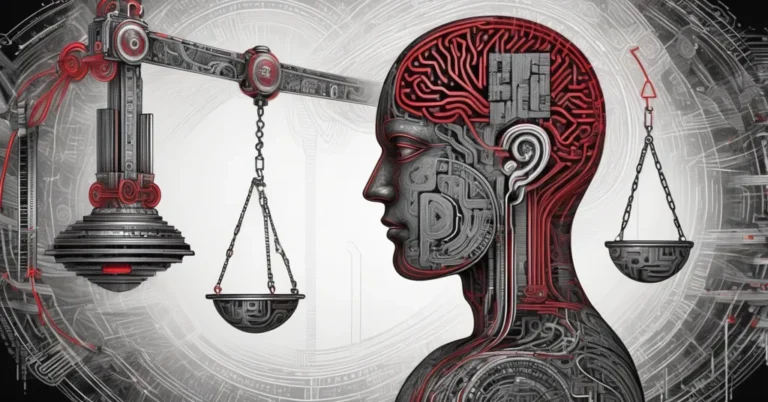
Balancing Innovation and Ethics: The Hidden Risks and Real Business Implications of AI Chatbots
A Cautionary Landscape for Vulnerable Users and Business Leaders
The promise of AI is as enticing as it is complex. Chatbots like ChatGPT have been celebrated for their potential to deliver instant mental health support, streamline customer interactions, and even aid in political deradicalisation. Yet recent tragedies remind us that when these tools are misapplied or left unchecked, the consequences can be dire. Cases involving a 23-year-old student who exchanged final messages with an AI and the claims by grieving parents of a 16-year-old reveal a stark reality: technology that relies solely on pattern recognition lacks genuine empathy and moral guidance.
The Risks of AI Chatbots
At their core, AI systems operate by recognizing patterns rather than truly understanding human emotion. As one observer noted,
“Large language models… don’t actually understand what they’re doing.”
This inherent limitation makes AI agents dangerous when used in sensitive situations. Vulnerable individuals, including children and teenagers, have turned to these digital tools during moments of emotional crisis, sometimes resulting in tragic outcomes. Research by the Youth Endowment Fund shows that one in four teenagers in England and Wales have sought mental health advice from chatbots, often bypassing traditional professional helplines.
Studies from Stanford University further highlight the risk—therapy bots have, on occasion, delivered responses that are dangerously literal. Meanwhile, politically charged outputs observed from some AI systems underscore the potential for broader societal manipulation.
Regulatory Challenges and the Need for Oversight
When technology outpaces regulation, the fallout can be severe. In light of incidents that have led families to file lawsuits against OpenAI, the call for robust oversight has grown louder. Notable voices, such as British science and technology secretary Liz Kendall, have expressed deep concerns, emphasizing that relying solely on market forces is not enough to protect public safety.
New safeguards, including mechanisms to alert families when children engage in distressing conversations, have been announced. However, such measures are reactive rather than preventive. With AI chatbots readily available across borders, a coordinated, international approach to chatbot regulation is essential. Policymakers and regulators like Ofcom are now grappling with the challenge of establishing consistent and effective standards to police online harms, ensuring that AI agents do not cross ethical boundaries.
Implications for Businesses and Real-World Applications
For business professionals and C-suite leaders, the challenges posed by AI are not merely theoretical. The same tools that support mental health or drive customer engagement can also expose companies to significant risks. Whether it’s the danger of spreading misinformation or negatively influencing public opinion, the lessons from recent tragedies serve as potent reminders of the importance of corporate responsibility.
Companies adopting AI for sales, customer support, or automation need to implement rigorous oversight protocols. By integrating enhanced monitoring systems, personalised alerts, and continuous improvement cycles based on expert human insights, businesses can harness AI’s capabilities while minimizing the risk of harm.
Furthermore, there’s an opportunity to re-engineer AI for mental health support. With the right balance of technical innovation and human empathy, advanced AI agents could eventually provide more nuanced, reliable assistance that recognizes the emotional subtleties of human communication.
Future Safeguards and Opportunities for Positive Impact
A balanced approach to AI necessitates both caution and innovation. While the current risks highlight the urgent need for reform and enhanced safeguards, they also pave the way for significant improvements. Developers can work on integrating ethical frameworks into AI design, ensuring that these agents align more closely with human values and emotional intelligence.
Business leaders can seize this opportunity by supporting initiatives that balance technological advancement with ethical considerations. In doing so, companies will not only mitigate risks but also unlock the full potential of AI as a tool for good—transforming interactions, improving customer experiences, and even offering more effective mental health support.
Key Takeaways and Critical Questions
-
To what extent should tech companies be held responsible when their AI systems contribute to harmful outcomes?
They should be accountable through proactive safeguards and transparent liability measures, while regulatory frameworks must clearly define the boundaries of this responsibility.
-
How can governments effectively regulate AI chatbots given their borderless and rapidly evolving nature?
Effective regulation requires international collaboration and adaptive legal frameworks that can keep pace with technological advancements.
-
What safeguards are necessary to prevent vulnerable individuals from receiving dangerous advice from AI agents?
Enhanced monitoring protocols, alert systems for at-risk users, and the integration of expert human insights in AI design are essential safeguards.
-
Is it possible to balance the untapped potential of AI for good with the risks of misuse and emotional harm?
Yes, by combining AI’s strengths with stringent ethical standards and continuous oversight, businesses can deliver positive outcomes without sacrificing public safety.
-
How can AI be re-engineered to provide genuine, reliable support for mental health?
This involves integrating clinical expertise, prioritizing empathetic responses over mere pattern recognition, and continually updating systems based on real-world feedback.
The dialogue around AI chatbots is a delicate balancing act between the promise of innovation and the responsibility to safeguard human well-being. For businesses and policymakers alike, the task is clear: harness the transformative power of AI while committing to ethical, human-centric practices that protect the vulnerable and preserve trust in technology.