
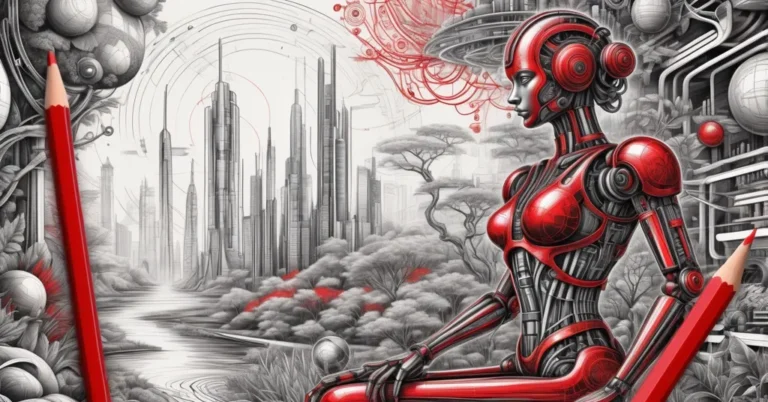
Exploring the Intersection of AI, Nature, and History
AI is now part of almost everything we do. In 2025, the technology has shifted from being a futuristic idea to a daily reality, reshaping mobile communications, business infrastructures, and personal interactions. As companies harness AI agents and ChatGPT-like tools for business automation and sales, leaders are also grappling with its broader implications—ranging from ethical dilemmas to existential risks.
AI in Daily Life
The remarkable capabilities of AI come with significant responsibilities. A striking warning from computer scientists like Eliezer Yudkowsky and Nate Soares reminds us:
“Even an AI that cares about understanding the universe is likely to annihilate humans as a side-effect, because humans are not the most efficient method for producing truths … out of all possible ways to arrange matter.”
This thought challenges us to build robust, ethical frameworks that can steer AI toward beneficial outcomes while preventing unintended catastrophes. It is not only about technological prowess but also about smart, secure business implementations that balance innovation with safety.
Lessons from History and Nature
The conversation extends far beyond digital algorithms into lessons drawn from nature and history. Works on extinction, such as those examining the erasure of indigenous peoples, offer a sobering reminder of how fragile human narratives can be. Equally compelling is the reimagining of our natural world—where rivers are seen not just as water bodies, but as living entities with rights. Renowned writer Robert Macfarlane captures this vision:
“Was written with the rivers who flow through its pages.”
Historical accounts also stress nature’s enduring influence. Consider the reflective statement on Earth’s climate:
“Ice has come and gone for billions of years … has sculpted our world and paved the way for the origin of our species.”
Such insights are mirrored in explorations of polar landscapes and the efforts at the Svalbard Global Seed Vault, underscoring a shared responsibility to protect our natural heritage through informed environmental policies.
History further teaches us through scientific biographies and detailed narratives—examples range from the groundbreaking work of Francis Crick to the catalytic influence of brain disorder insights discussed by neurologists like Suzanne O’Sullivan and Masud Husain. These stories underscore the importance of learning from past achievements and mistakes.
The Future of Innovation
As business leaders seek to integrate AI into everyday processes, sectors like healthcare are witnessing transformative changes. Digital interventions are beginning to offer personalized medicine, early diagnosis, and innovative chronic disease management. For instance, cardiologist Eric Topol illustrates how AI is spearheading breakthroughs in longevity and chronic disease care—a promising signal for industries looking to merge technology with service excellence.
Moreover, the evolution of language and culture, as detailed in explorations of Indo-European origins, serves as a metaphor for the complex evolution of our digital future. The narrative of integrating technology with nature and history illuminates the road ahead, where thoughtful design and responsible innovation are key.
Key Takeaways
-
How can societies balance rapid AI advancements with the prevention of unintended catastrophic outcomes?
By investing in ethical frameworks and modern oversight mechanisms, we can ensure that AI developments align with human values and safeguard our future.
-
In what ways might granting legal rights to natural entities like rivers reshape environmental policies?
Recognizing rivers as living entities can lead to more sustainable and collaborative environmental policies, treating them as partners in our ecosystem rather than mere resources.
-
What responsibilities do scientists and policymakers have in protecting biodiversity?
Drawing on historical lessons from seed banking, it is essential that current practices preserve resources for future generations by balancing progress with conservation.
-
How can AI integration transform the management of chronic diseases?
By driving personalized medicine and offering data-driven insights, AI can revolutionize healthcare and improve outcomes in chronic disease management.
-
What lessons do historical narratives of extinction offer to contemporary society?
They remind us of the dangers of neglect and mismanagement, urging responsible action in today’s rapidly changing technological and environmental landscape.
The dialogue between digital innovation and the natural world invites a balanced approach. By learning from history and applying these lessons to modern AI challenges, businesses can not only boost efficiency and innovation but also ensure that the technological advances enhance rather than endanger our collective future. Smart adoption of AI for business, healthcare, and beyond promises a future where preservation and progress go hand in hand.