
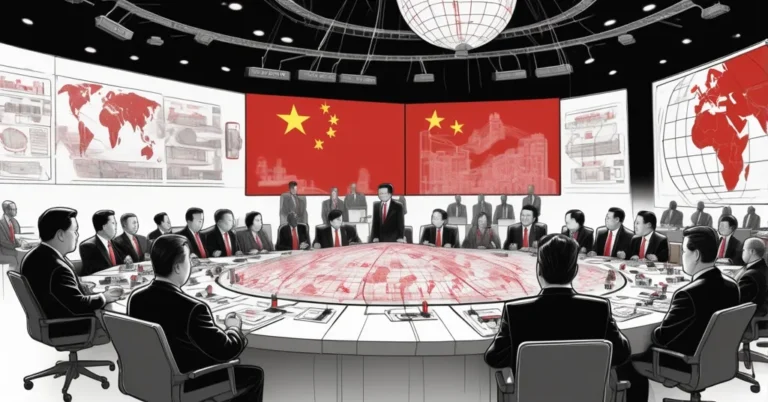
Trump touts great meeting with China’s Xi Jinping at White House, live
The pictures were unmistakable: two presidents on the White House grounds, a formal military review visible from the Truman Balcony, and a state dinner where top tech leaders were reported to be expected. The meeting leaned toward symbolism, not binding deals, which CEOs should read as a risk signal for AI governance, chip supply, and cross‑border operations.
Executive snapshot for business leaders
Trump emphasized personal rapport and broad goals on trade and technology. Chinese state media framed Xi’s message around avoiding military clash, opposing “Taiwan independence, ” and shared responsibility for AI safety. Much of the sensitive material in the Chinese readout (Xinhua) was not matched by an immediate White House statement, so treat those points as Beijing’s public position unless U.S. sources confirm them.
What they said, two tones
- U.S. framing: Reuters reported President Trump described his relationship with Xi as a “truly great friendship” and told reporters he and Xi had a “great meeting” (Reuters). Trump also signaled he seeks “a more balanced trade relationship” and flagged the Taiwan arms question as a bargaining lever (see below).
- China’s framing: Xinhua’s readout quoted Xi urging mechanisms to reduce military risk, including regular military dialogue and improved crisis communication, and saying “China and the United States, as two major countries, stand to gain from cooperation and will both lose in confrontation” (Xinhua). Xinhua also said Xi urged the U.S. to oppose “Taiwan independence” and that both countries must “ensure the development of AI is always under human control” (Xinhua).
Donald Trump: “truly great friendship.” (Reuters)
Xi Jinping: “China and the United States, as two major countries, stand to gain from cooperation and will both lose in confrontation. Our two militaries should maintain regular dialogue and improve mechanisms for crisis communication and prevention.” (Xinhua)
What was and wasn’t agreed, read the signals, not the headlines
Public remarks and the Chinese readout set out priorities, but they do not amount to detailed, binding accords. Important caveats:
- Xinhua’s statements represent Beijing’s official public account. The White House had not immediately posted an identical readout on some of the most sensitive points (notably Taiwan and Iran), so these reflect China’s messaging and may differ from U.S. accounts.
- On Taiwan, Trump previously told U.S. media in May that he had not yet approved a proposed, roughly $14 billion arms package for Taiwan and described that pause as a negotiating lever (reported by PBS/Associated Press on May 17, 2026). That language is not a formal policy reversal under the Taiwan Relations Act. It is a signal that approvals might be used as leverage.
- Xinhua reported Xi said China supports the U.S. and Iran “returning to a June memorandum” related to Strait of Hormuz security. That phrasing comes from the Chinese readout and had not been independently confirmed by U.S. officials in the immediate coverage.
- Xi’s public reference to keeping AI “under human control” matches recent industry and regulatory debates over AI safety, but it is not a binding international framework. Treat this language as a starting point for later negotiations, not a final rule.
Why the tech dinner matters (and what to assume)
Media outlets reported leading tech CEOs were expected to attend the state dinner, names circulated included Jeff Bezos, Sundar Pichai, Sam Altman, Tim Cook, Elon Musk, Mark Zuckerberg and Jensen Huang (reported by Forbes and others). Whether and what those leaders discussed in private matters, because these firms control cloud platforms, model development, and the chip stacks that underpin AI.
Two practical points:
- Governments are treating major AI platforms and chipmakers as strategic actors. Expect more targeted regulatory interest and requests for briefings or assurances from these firms.
- Rhetorical alignment on “AI under human control” increases the chance of parallel national regulations (U.S. executive actions, EU AI Act-style rules, export controls) rather than a single global regime, which adds complexity companies must plan for.
Signals for business, what to expect in the next 6-18 months
- Export controls and chip policy will stay active. Expect continued pressure on semiconductor exports and selective controls targeting advanced-node chips or development tools. Monitor BIS (U.S. Commerce) updates and allied regimes for incremental changes.
- AI governance will move from statements to national rules. Summit rhetoric elevates AI as a strategic issue. Companies should expect a mix of safety-focused regulation, data‑flow restrictions, and procurement scrutiny.
- Taiwan-related risk remains a live contingency. Even ambiguous public language about weapons approvals affects supply‑chain planning, insurance pricing and diplomatic risk for firms with Taiwan-dependent production.
Three things to watch in the hours and days after the meeting
- Official U.S. readout and transcripts. If the White House readout diverges from Xinhua on Taiwan or Iran, that gap will be parsed by markets and militaries. Watch for clarifying statements.
- Any written agreements on crisis communications. Operational protocols or a military hotline would be meaningful. They create playbooks companies can mirror in contingency plans for cross-border incidents.
- Follow‑ups from tech leaders. Public statements, MOUs, or voluntary commitments on AI safety after the dinner can signal cooperation or friction between industry and state actors.
Practical checklist for C‑suite and risk teams
- Convene your crisis-planning team this week; run a 72‑hour supply‑chain stress test focused on chip and cloud dependencies.
- Audit suppliers for single‑source exposures in advanced semiconductors and critical cloud regions; prioritize dual‑sourcing where feasible.
- Subscribe to BIS/CFIUS and relevant regulatory watchlists; set an executive trigger to review changes weekly for the next 90 days.
- Update customer communications and contract clauses for force majeure and lead‑time escalation specifically tied to geopolitical incidents.
- Document AI risk controls and governance for procurement and partnerships; be ready to respond to regulator inquiries or export‑control compliance checks.
Key takeaways, quick questions for leaders
-
Will U.S., China rhetoric affect my supply chain?
Yes. Expect continued pressure and periodic policy shifts around semiconductors and related equipment. Scenario‑plan for constrained lead times, identify alternative suppliers, and run inventory stress tests for critical components.
-
Does Xi’s language on AI change compliance requirements today?
No immediate new international rules followed from the summit language. However, the rhetoric increases the probability of national regulation and export controls, prepare for more granular compliance requests and procurement restrictions in the coming months.
-
Should my organization alter its market approach to Taiwan-related risk?
If your business relies on Taiwan’s tech sector, elevate contingency planning: alternative production paths, insurance reviews, and clear escalation protocols. Even ambiguous political signals can affect lead times and investor sentiment.
-
Are private tech companies now part of statecraft?
Yes. The reported presence of major CEOs at diplomatic events signals that governments view them as strategic stakeholders. Expect tighter scrutiny on cross‑border deals and an increased role for companies in shaping national tech policy.
Final action
Diplomacy on camera rarely maps neatly to policy. Treat the summit’s public language as directional intelligence: governments have elevated AI to a strategic topic, Taiwan remains a flashpoint with operational consequences, and private tech firms are being courted as partners or instruments of state strategy. Action: convene your crisis team, run a focused supply‑chain stress test, and put in place a short‑term regulatory watch to catch export‑control or procurement changes as they emerge.
Sources: Reuters reporting of Trump’s remarks; Xinhua readout for Xi’s public statements; PBS/Associated Press coverage of Trump’s May comments on the Taiwan arms package; Forbes and other outlets reporting expected tech‑dinner attendees. Treat Xinhua as the Chinese official account and look for White House readouts for U.S. confirmation.