
AI-generated “doctors” on TikTok: visible, viral, and murky
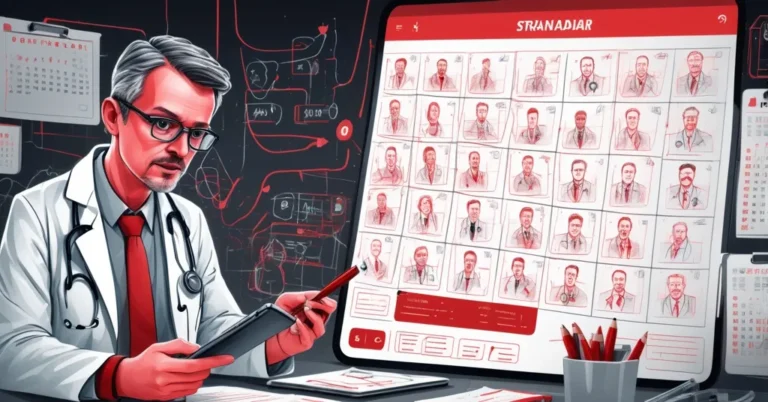
Hallam, a digital marketing agency, published research this month that found AI-generated or AI-assisted “doctor” content is widespread among TikTok’s most visible health posts. The agency analysed 1, 198 top-ranked videos, selected as the top 50 videos across a series of search terms such as “health tips” and “doctor advice”, and reports that 40% of those top health-related videos were AI-generated or AI-assisted, rising to 84% for the specific search term “health tips.”
Those numbers describe visibility among viral content, not the full population of health posts on TikTok. Hallam’s summary does not publish a full detection methodology or the precise sampling window, so the percentages should be treated as indicative of what a user might encounter in high-ranking results rather than definitive platform‑wide prevalence. Hallam also reports the top AI-generated doctor and health videos in its search averaged about 2.5 million views (Hallam’s reported mean), a figure that can be skewed by outliers.
What the videos say, and how big the reach is
Many of the flagged clips make false or unsupported health claims. Hallam’s review found examples asserting that microwaving food in plastic, using deodorants, or sleeping next to your phone could cause cancer, claims Cancer Research UK has refuted. Other posts promoted bizarre remedies, such as mixing Coca‑Cola with onion for pain relief, or touted a product called “Hyalethinap Plus Pro Max” as an anti‑ageing solution; The Guardian “could not find evidence of ‘Hyalethinap Plus Pro Max’ products online.”
The Guardian reported that, after it sent examples, TikTok removed some of the videos. TikTok rejected Hallam’s characterisation in broader terms, saying the agency “has commercial interests” and that the findings “are not an accurate reflection of our platform.” The company added that it removes harmful health misinformation, partners with the World Health Organization and the NHS on in‑app health information, and invests in AI literacy resources and labelling technologies.
Why clinicians and public‑health bodies are alarmed
Medical organisations warn these synthetic personas create confusion and potential harm. Dr Emma Runswick, British Medical Association council deputy chair, flagged the risks posed by AI accounts that “peddle medical myths and promote so‑called miracle cures.” She warned:
“Platforms like TikTok must do more to stop the rise of dangerous fake medical advice … otherwise, it is the public who could be paying the price with their health and perhaps even their lives.”
Prof Frankie Swords, national medical director at NHS England, said clinicians are seeing patients who are anxious because of false online advice:
“Many clinicians are reporting an increasing number of patients who feel worried and confused due to false advice that has been made solely for clicks, ” she added.
Prof Victoria Tzortziou Brown, president of the Royal College of GPs, described misleading AI content as carrying a “real risk” of harm. Alex Ruani, a health misinformation researcher at UCL, warned of a “frightening amount of exposure to fake medical content” and said “We’re looking at industrialised exploitation of trust.”
Public reliance on social media for health information is non‑trivial: a Savanta poll commissioned by Healthwatch England (3, 575 men and 3, 832 women aged 18+ in England) found that about one in five people use social media for health information. William Pett, interim director of policy and public affairs at Healthwatch England, cautioned that without the skills to separate reliable information from commercial hype, people “risk being misled in ways that can seriously affect their health.”
What we do and don’t know about harm
Clinicians report more patient confusion and unnecessary appointments that they trace back to online misinformation. That is important, but anecdotal reports are not the same as systematically documented clinical harm tied to specific videos. Public evidence directly attributing measurable health outcomes, such as misdiagnosis or delayed treatment, to individual synthetic posts remains limited in the material cited so far. That gap matters because it shapes proportionate policy and legal responses and points to an urgent research need.
Why detection and policing are hard
Generative models for images, video, voice and text let small teams produce convincing medical personas at low cost. That lowers the barrier to entry and creates scale: a persuasive synthetic “doctor” can be produced repeatedly, tailored to demographics, and optimised for engagement. As Alex Ruani’s “industrialised exploitation of trust” phrase implies, the problem can look less like isolated hoaxes and more like a scalable business model designed to win attention.
Practical detection is hampered by several factors: limited access to platform ranking and provenance data for independent researchers; evolving synthesis methods that can evade naive detection; and ambiguity around what counts as “AI‑assisted” versus fully synthetic. Platforms also prioritise different enforcement trade‑offs, such as speed of removal, false positives, and user experience, making consistent, transparent action difficult without stronger standards and oversight.
There’s opportunity in the same tools
Synthetic personas and AI agents aren’t inherently malicious. The same technologies can help scale accurate health education: multilingual explainers, empathy‑trained chatbots that triage symptoms, and accessible public‑health campaigns that reach under‑served audiences. The difference between benefit and harm is governance: provenance, clinical oversight, and clear labelling are the levers that turn a risky capability into a useful one.
Practical steps for executives and platform leaders
The risk cuts across reputation, liability, customer safety and regulatory exposure. Here are concrete, time‑bound actions tailored to boards, CMOs and platform leaders.
- Boards, Within 30 days, add “synthetic health misinformation” to the digital‑risk register and assign an owner. Require a written mitigation plan within 90 days that maps legal exposure (consumer‑protection law, medical advertising rules and advertising standards) and the financial impact of false‑advice cascades (increased claims, trust erosion).
- CMOs and brand teams, Within 60 days, ban paid placements or sponsorship with unverified medical creators and require provenance checks for any health‑adjacent influencer partnership. Demand a single point of clinical review for health claims before activation.
- Platform leaders, Within 90 days, publish a transparency audit template and a summary of findings for visible health content. Implement labels that disclose: (a) whether a presenter is synthetic or human, (b) who produced the content, and (c) whether any clinical claims are evidence‑backed (linked to primary sources such as NHS/WHO or peer‑reviewed studies).
- Content moderation teams, Establish a clinician rapid‑response panel for high‑risk health flags with measurable SLAs (for example, acknowledge flags within 24 hours and resolve within 72 hours). Track and publish removal rates and appeals statistics quarterly.
- Legal and compliance, Map current and emerging regulations in jurisdictions where your platform operates. Prepare to respond to enforcement through consumer protection, advertising standards bodies and sectoral health rules.
- Data and research partners, Fund independent studies that link exposure to synthetic health content with measurable user behaviour and health outcomes. Provide researchers time‑bounded access to de‑identified ranking and provenance metadata under data‑use agreements.
Regulatory and industry levers to expect
Regulators are likely to act along three lines: transparency mandates (clear provenance labelling for synthetic content), stricter standards for health advertising and sponsorship, and liabilities where platforms or commercial partners profit from demonstrably harmful advice. Expect regulators to lean on consumer‑protection law, medical advertising rules, and advertising standards bodies as immediate enforcement pathways.
From a defensive standpoint, legal teams should map partnerships, affiliate arrangements, and ad revenues tied to health creators, and treat verified clinical oversight as a contract requirement.
90‑day executive checklist
- Day 0-30: Add synthetic health misinformation to the risk register and appoint an executive owner (Board level).
- Day 0-60: CMOs to freeze unverified health sponsorships and require provenance checks for future deals.
- Day 30-90: Platforms to run and publish a transparency audit of visible health content using a shared template; implement synthetic‑content labels and a clinician rapid‑response panel with public SLAs.
- Day 30-90: Legal teams map regulatory exposure and draft terms to require clinical review for health‑adjacent monetisation.
- Day 30-120: Fund independent research access to de‑identified platform metadata to measure exposure and any links to behaviour or clinical outcomes.
Key takeaways, quick questions and honest answers
- How common are AI‑generated or AI‑assisted “doctor” videos on TikTok?
Hallam analysed 1, 198 top‑ranked videos (the top 50 across multiple search terms) and reports that 40% of those top health‑related videos were AI‑generated or AI‑assisted, rising to 84% for the search term “health tips.” The study’s methodology and sampling window are not fully published, so treat these figures as indicative of what appears in high‑visibility results rather than a platform‑wide prevalence estimate.
- How large is the audience for these videos?
Hallam reports the top AI‑generated health videos in its sample averaged about 2.5 million views (Hallam’s reported mean), a figure that can be skewed by particularly viral outliers.
- Are the claims made in these videos reliable?
Many claims flagged by the review are disproven or unsubstantiated, Cancer Research UK has refuted the specific cancer myths mentioned. At least one promoted product, “Hyalethinap Plus Pro Max, ” could not be verified online, according to The Guardian’s check.
- Are medical authorities worried?
Yes. The British Medical Association, NHS England and the Royal College of GPs have all warned that misleading AI content poses a real risk to patient safety and can create confusion among patients.
- Is TikTok taking action?
TikTok says it removes harmful health misinformation, partners with WHO and the NHS, and invests in labelling and AI literacy. The Guardian reported TikTok removed some flagged videos after being contacted; TikTok disputes that Hallam’s findings accurately reflect the platform.
Generative AI and synthetic personas will only get better. That makes this a systems problem, not merely a moderation problem. Executive teams should move from firefighting to architecture: appoint an owner, run a transparent audit, and publish a mitigation plan within 90 days.