
When Rhetoric Turns Dangerous: What the Altman Molotov Incident Teaches About AGI Governance
- TL;DR
- An alleged Molotov device was thrown at Sam Altman’s San Francisco home and a suspect later threatened OpenAI’s HQ—no one was hurt. The events followed a probing New Yorker profile that questioned Altman’s leadership.
- Altman acknowledged mistakes, apologized, and warned against concentrating AGI control in a single actor while calling for calmer public debate.
- For leaders running AI-driven businesses, the episode reframes AGI governance as a board-level, operational, reputational, and physical-security issue. Concrete steps are available now.
The incident and the narrative
A Molotov device was reportedly thrown at Sam Altman’s San Francisco home early one morning; no injuries were reported. Police later detained a suspect at OpenAI’s headquarters after an alleged threat to set the building on fire. That violent episode landed amid a long New Yorker profile by Ronan Farrow and Andrew Marantz that drew on interviews with more than 100 people and painted a portrait of a driven leader whose style some sources characterized as troubling.
Rather than simply denying the coverage, Altman published a public response that admitted personal mistakes, apologized to people he had hurt, and urged a shift in tone across the technology ecosystem. He criticized any philosophy that would let a single actor try to “be the one to control AGI,” and asked for more constructive debate and fewer escalatory tactics.
“I initially dismissed the article but later realized I had underestimated how much words and narratives can inflame situations.”
That line matters because it acknowledges a link many executives overlook: public stories about leadership and technology can spill off the page into real-world threats. The combination of a violent act, intense investigative reporting, and a prior governance crisis at OpenAI (the 2023 episode when Altman was briefly removed and then reinstated as CEO) makes this more than a personality story. It’s a governance and safety problem for everyone building powerful AI systems.
Why AGI governance matters to business leaders
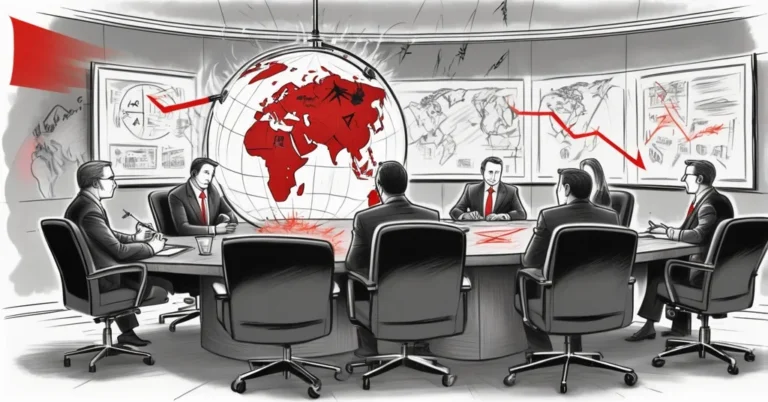
AGI governance is not an abstract policy debate reserved for think tanks. It shapes that company boardrooms, product roadmaps, legal exposure, and—as recent events show—personal safety. For clarity: AGI refers to hypothetical AI systems with broad, human-level capabilities, unlike today’s specialized models and AI agents. If control, deployment, or decision-making about such systems gets concentrated, the risks are systemic and cross-sector.
There are three overlapping risks executives must watch:
- Reputational risk: Leadership behavior and opaque governance can erode public trust, sink partnerships, and attract regulatory scrutiny.
- Operational and safety risk: Weak governance can lead to rushed deployments or insufficient oversight of AI safety mechanisms as organizations pursue AI automation and product differentiation.
- Physical and personnel risk: Heated public narratives can attract threats against executives, facilities, and employees—elevating security to a core business function.
What leaders should do now: a practical playbook
Boards and executives rarely get a second chance to fix governance when reputational or security crises surface. The response needs to be immediate, concrete, and visible. The checklist below is meant for CEOs, board chairs, general counsel, and heads of security at AI-driven firms.
- 1. Shore up board-level governance
Establish or empower an AI/technology safety committee with independent directors and external experts. Define clear escalation paths for disagreements and pre-agreed processes for CEO transitions or extraordinary decisions. Formalize charters that separate product incentives from safety oversight.
- 2. Adopt external validation
Commission independent audits or red-team reviews of high-risk systems and release high-level findings publicly where possible. External oversight reduces single-point trust and helps defuse “who controls AGI” narratives.
- 3. Make communications a governance tool
Create a proactive, transparent AI safety narrative—regular updates on safety investments, governance changes, and high-risk mitigations. Train spokespeople in de-escalatory language that acknowledges concerns without inflaming them.
- 4. Integrate physical security into threat models
Update enterprise threat models to include reputationally-triggered physical threats. Run tabletop exercises that connect PR scenarios to security responses and law enforcement engagement. Make employee safety a visible priority.
- 5. Run scenario-based readiness for worst-case governance fights
Simulate rapid board disputes, data-exfiltration scares, and hostile public narratives. Practice safe, accountable decision-making under pressure and ensure legal counsel is looped early.
Communications: practical language you can borrow
When leaders speak publicly after accusations or threats, tone matters more than spin. Useful, simple templates:
- “We regret and take seriously the concerns raised. We are investigating, we will be transparent about changes, and we prioritize safety for our people and our technology.”
- “We acknowledge mistakes were made. Here are the immediate steps we are taking to fix them and prevent recurrence.”
- “We welcome good-faith scrutiny of our safety work, and we reject threats or violence in any form.”
Questions leaders are asking now
Could media narratives directly increase the risk of violent actions against tech figures?
Yes—while causation is hard to prove in every case, research on radicalization and violent incidents shows that intense, personalized narratives can inflame already vulnerable actors. Responsible public discussion and careful corporate communications reduce that risk.
Is concentrated control of AGI a realistic risk for businesses and society?
Yes. Concentration raises single-point-of-failure concerns and questions about alignment, fairness, and global stability. Governance models that distribute oversight, involve independent experts, and require accountability help mitigate those systemic risks.
How should companies prepare for reputational and physical fallout from AI controversies?
Harden board processes, document decision-making, publish safety roadmaps, integrate physical security into risk assessments, and run cross-functional tabletop exercises tying public narratives to operational responses.
Can investigative reporting be both rigorous and non-inflammatory?
Yes. High-quality journalism is essential for accountability. The balance comes from focusing on systems and decisions as much as personalities, and from reporters and sources noting broader context so stories don’t reduce complex governance problems to single villains.
Three prioritized next steps
- Audit governance now: Convene the board safety committee and commission an independent governance review within 30–60 days.
- Publish a clear safety statement: Share immediate steps the company will take on staffing, oversight, and independent review.
- Run a full tabletop exercise: Link PR scenarios to physical-security responses, legal escalation, and continuity planning—test within 90 days.
The episode around Sam Altman—an alleged attack, a detainee threatening OpenAI’s HQ, and a probing New Yorker profile—should be a wake-up call for executives who treat AI governance as just another policy debate. Words shape public perception; perceptions shape behavior; behavior can become operational risk. Leaders who act now to strengthen governance, communicate transparently, and plan for real-world threats will protect people, preserve trust, and keep their AI programs on a safer trajectory.