
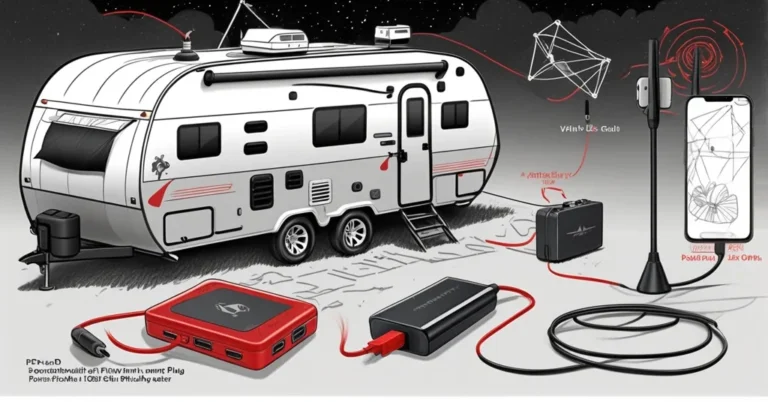
Give your Starlink Mini the flexible power it deserves
Stargear 3‑in‑1 cable — Starlink Mini power cable for RVs, USB‑C PD (140W) and off‑grid internet
TL;DR: If you need reliable Starlink Mini connectivity on the road, the Stargear 3‑in‑1 cable consolidates vehicle 12V, USB‑C PD (up to 140W) and the official Starlink DC input into one rugged 3 m cable for roughly $40. It reduces adapter clutter and lowers failure points for RVs, fleets, and emergency kits—but test USB‑C PD negotiation, verify sustained wattage with your battery or power station, and check warranty/safety implications before wide deployment.
Why power flexibility matters for mobile Starlink
Taking Starlink Mini into vehicles, campsites, and pop‑up sites replaces predictable home power with a buffet of sources: 12V vehicle sockets, portable power stations, and high‑wattage USB‑C batteries. Every adapter and splice creates another potential failure point. The Stargear 3‑in‑1 cable consolidates those options into a single heavy‑duty run that plugs directly into the dish, keeping setups simpler and more dependable for operations teams, overlanders, and emergency‑communications planners.
What the Stargear 3‑in‑1 cable brings to the field
- Three inputs in one: weatherproof Starlink DC jack, USB‑C PD plug (up to 140W), and a 12–24V car adapter.
- Length and wiring: 3 m (10 ft) with thick 16AWG wire — less voltage drop over typical mobile runs.
- Ruggedness: IP54 — resists splashes and light dust but won’t survive submersion.
- Built‑ins: digital voltage readout for quick checks and a press‑and‑hold on/off button to prevent accidental shutdowns during transport.
- Field kit extras: rubber dust caps (not tethered) and a padded carry case.
- Price point: around $39.99 on major retailers.
“An ideal way to power your Starlink Mini from multiple sources.” — ZDNET
Plain‑English tech notes (what those specs mean)
- 16AWG wire: Thicker copper means less voltage drop over a 10 ft run. Example: at 100W and 20V (≈5A), expect roughly a 0.4V drop round‑trip — negligible for reliable operation.
- USB‑C PD negotiation: The USB‑C connection uses a power handshake to decide voltage and wattage. Different batteries and power stations speak different PD “dialects,” so a PD source that lists 140W may still negotiate a lower voltage with certain loads.
- IP54: Good for rain and dusty campsites, but don’t rely on it for permanent outdoor exposure or marine installations.
- SpaceX power guidance: Starlink Mini generally needs about 100W for stable operation. Occasional function at lower wattage is possible, but expect instability when the dish ramps up under load.
Who this cable is for (use cases)
- RVs & overlanders: One cable does vehicle 12V and USB‑C battery packs — fewer connectors to lose in the field.
- Event and pop‑up IT teams: Faster deployments and fewer parts to inventory when provisioning temporary internet points.
- Emergency preparedness: Portable power stations and high‑wattage USB‑C batteries paired with the cable deliver usable satellite internet during outages.
- Fleet and field ops: Standardize on a single cable per vehicle to reduce training and deployment time, and carry a small spare per vehicle.
Testing & compatibility checklist for procurement and ops
Don’t buy and deploy blind. Run this 15–30 minute test with each power source you plan to use. Record values and outcomes so your ops team has repeatable data.
- Baseline idle draw
Connect Starlink Mini to the Stargear cable and your power source. Let it idle for 10 minutes and record steady-state watts and input voltage. - Load test
Generate traffic (file transfer or speed test) for 10–15 minutes. Record peak and average wattage, and note any drops or disconnects. - Three‑source matrix
Test with: (A) vehicle 12V socket, (B) USB‑C PD battery (rated 100–200W+), and (C) a portable power station (solar/inverter combos). For USB‑C, note negotiated voltage (20V vs. 28V or PD 3.1 profile). - Thermal & cable run check
Feel for hot spots near connectors after extended use. If you plan longer cable runs, measure voltage at the dish and at the source to confirm drops stay within acceptable limits. - Edge conditions
If possible, repeat a long session (4 hours) and one cold or hot rollout to check for throttling or disconnects in extreme temps.
What to log: power source model, negotiated PD voltage/watts, idle watts, peak watts, any disconnects, connector temperature, and runtime until any event. Keep these test records with procurement files — they’re gold during warranty or incident triage.
Pros & cons — practical lens
- Pros: Simplifies field setups, supports high‑wattage USB‑C PD (up to 140W), thick wiring for low voltage drop, built‑in monitoring and easy on/off control, affordable price.
- Cons: IP54 is not fully waterproof, dust caps aren’t tethered, PD negotiation can vary by battery maker, and using third‑party power paths may have warranty or compliance implications.
Buyer’s checklist for procurement and operations
- Confirm Starlink Mini power baseline of ~100W and that your power sources can sustain that under load.
- Verify USB‑C PD profiles supported by your battery/power station (look for PD 3.1/extended voltage listings if you need >100W).
- Require at least one spares-per-vehicle policy and a single standardized cable model across the fleet.
- Run the 5‑step test protocol above with each source and store results in asset records.
- Inspect connectors for expected IP rating and request tethered caps from suppliers if you plan frequent outdoor swaps.
- Check third‑party accessory warranty and confirm whether modifications affect Starlink warranty — escalate to legal/ vendor management if uncertain.
- Include cable and connector checks in routine maintenance schedules to catch wear before field failure.
Common questions readers search for
Can I power Starlink Mini with a USB‑C power bank?
Yes — if the power bank supports high‑wattage USB‑C PD and the negotiated voltage/wattage meets the Mini’s needs. Prefer banks/power stations that advertise sustained 100W+ output and test them using the protocol above.
How much wattage does Starlink Mini need?
SpaceX guidance and field experience point to roughly 100W as a reliable baseline. 140W USB‑C PD provides headroom to handle peaks and avoid instability.
Will using a third‑party cable void my Starlink warranty?
That depends on SpaceX’s terms and whether any damage can be traced to third‑party gear. Treat third‑party power as a potential warranty risk — keep test logs and vendor specs to document safe usage.
Is the cable waterproof enough for outdoor use?
IP54 protects against splashes and light dust — adequate for RVs and camping. It’s not rated for immersion or permanent outdoor mounting; protect connectors and store them dry when possible.
Operational tips and procurement ROI
Standardizing on a single multi‑input cable reduces training time, lowers spares inventory, and speeds deployments. For procurement teams, the math is simple: a $40 cable that avoids a failed field install or a lost adapter pays for itself quickly when measured against billable hours or event downtime. Require testing before bulk purchases, and include one spare per vehicle as a baseline.
Risks, safety and a short legal note
Electrical safety matters. Confirm cable ratings, proper fusing at the power source, and avoid ad hoc splices. Third‑party accessories can introduce compatibility issues; consult vendor specs and, for permanent installs, an electrician. This content is informational and not a substitute for professional electrical advice.
Final thought and next steps
The Stargear 3‑in‑1 Starlink power cable answers a practical problem with a pragmatic solution: fewer connectors, clearer logistics, and the flexibility to run Starlink Mini from cars, USB‑C PD batteries and portable power stations. It’s not a silver bullet — PD negotiation, waterproofing, and warranty considerations still require attention — but for teams that need dependable off‑grid internet, it’s a compact upgrade that makes deployments cleaner and more predictable.
If you’d like, I can convert the buyer’s checklist and test protocol into a one‑page procurement brief or a printable ops checklist for field crews — tell me which format you prefer and I’ll draft it.