
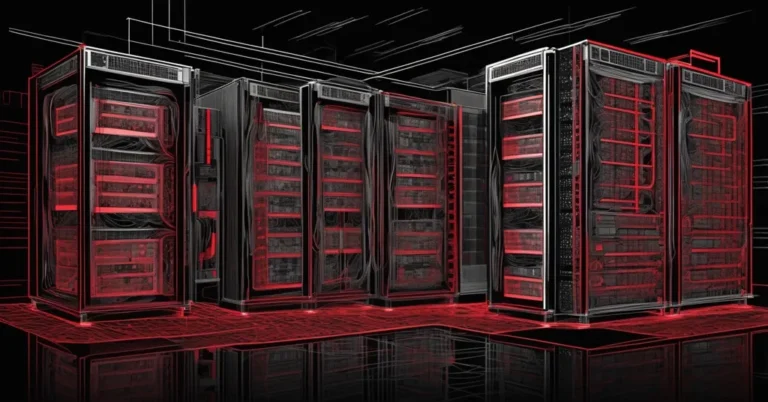
From Cryptocurrency to Artificial Intelligence: The Strategic Transformation of Data Centers
Bitcoin mining, once characterized by its promise of high returns, now faces shrinking margins due to rising power costs and stiff competition. In a clear case of industry reinvention, several mining companies are retooling their energy-intensive infrastructures to serve a booming need for AI agents and high-performance computing.
Reimagining Infrastructure for AI Workloads
The shift from cryptocurrency rigs to AI data centers is akin to a caterpillar turning into a butterfly—requiring a complete transformation. Traditional Bitcoin mining setups, built around specialized equipment designed to handle repetitive calculations, are giving way to high-performance GPUs capable of running complex machine learning algorithms, powering solutions as varied as AI automation for business and advanced AI for sales strategies.
The process is by no means straightforward or inexpensive. It involves significant technology upgrades, reconfiguring cooling systems, and ensuring that power management meets new standards. However, the advantages are substantial. With major tech giants such as Alphabet, Amazon, Meta, and Microsoft leasing this pre-built infrastructure, companies are finding a dependable revenue stream that diversifies their operations far beyond the volatile cryptocurrency market.
Business Advantages and Market Opportunities
This strategic pivot is not simply a stop-gap measure; it represents a fully redefined business model. By repurposing their facilities, mining companies can now cater to the escalating demand for robust, scalable computing power—a resource that is critical for running ChatGPT and other advanced AI platforms. The flexibility in power usage inherent to these converted facilities even allows them to offer grid support during periods of high demand, providing an added layer of operational resilience that appeals to utility providers and investors alike.
“The opportunity for miners to convert to AI is one of the greatest opportunities I could possibly imagine.”
– Adam Sullivan, Chief Executive of Core Scientific
Alongside Core Scientific, companies like CleanSpark have embraced this dual approach. By balancing traditional Bitcoin mining with long-term AI-focused lease agreements, they not only mitigate risks associated with each separate industry but also enhance their overall market stability.
“If and when there’s a weather-related event or anything else, we can curtail a portion of the portfolio to help stabilize the grid. And what we found is the demand for that type of load is much greater.”
– Matthew Schultz, Chief Executive of CleanSpark
Navigating Technical and Financial Challenges
The transition is not without technical hurdles. Converting legacy mining rigs into GPU-based high-performance computing systems demands both substantial capital investment and new expertise. As Kevin Dede of H.C. Wainwright notes, the skill sets required for cryptocurrency mining and high-performance computing can be worlds apart:
“Bitcoin miners have an advantage in understanding power and its use but there’s a night and day difference between mining and HPC support.”
– Kevin Dede, Senior Research Analyst at H.C. Wainwright
This evolution underscores a broader trend in the technology landscape: while traditional mining battles are fought on cost and efficiency, the AI frontier demands innovation, precision, and flexibility. Companies that master this complex conversion process position themselves as leaders in providing the infrastructural backbone for next-generation AI applications.
Implications for Business Strategy and Future Growth
Beyond the technical upgrades, the strategic ramifications of this pivot are significant for business leaders. By repurposing their data centers, Bitcoin mining companies are not only addressing declining returns in the cryptocurrency sector but are also aligning themselves with the unstoppable growth of AI for business. This move opens the door to new revenue streams and reinforces the importance of adapting legacy operations to emerging technological trends.
Moreover, this evolution serves as a real-world case study for other industries. It illustrates how legacy systems and infrastructures can be revitalized by tapping into burgeoning markets and advanced technologies like AI agents and AI automation. The ability of these companies to modify existing assets may well serve as a roadmap for businesses looking to innovate amid technological disruption.
Key Questions and Strategic Insights
-
Can Bitcoin mining companies sustain long-term profitability by shifting to AI data centers?
By leveraging well-established infrastructures and securing long-term lease agreements with tech giants, these companies are positioning themselves for sustained growth, even as the cryptocurrency market remains volatile.
-
What technical challenges come with converting mining rigs to high-performance GPU systems?
The transition involves significant hardware upgrades, reconfiguring cooling systems, and ensuring power efficiency. These changes require substantial capital investment and technical expertise, reflecting a complex but necessary overhaul to meet AI computing demands.
-
How is the demand for AI computing capacity reshaping the market?
Major tech companies seeking to advance projects involving platforms like ChatGPT and broad AI automation are leasing repurposed data centers. This trend is not only enhancing operational efficiency but is also driving innovation in overall data center management.
-
What broader impacts might this transformation have on industry practices?
This evolution could encourage other sectors to look at existing infrastructures as assets ripe for innovation, providing strategic insights on how established businesses can adapt to rapidly evolving digital landscapes.
-
Are current market valuations sustainable?
While investor enthusiasm is high, the sustainability of these business models depends on effectively managing conversion costs and capturing the consistent demand for high-performance computing, especially as AI becomes increasingly integral to business operations.
The conversion of Bitcoin mining facilities into AI data centers embodies both the challenges and opportunities of modern business transformation. Leveraging existing infrastructures, companies are not only reinvesting in their own futures but are reshaping the landscape of high-performance computing. By adapting to the explosive demand for advanced AI capabilities, these innovators are carving out a robust and forward-thinking path in a competitive and ever-evolving market.