
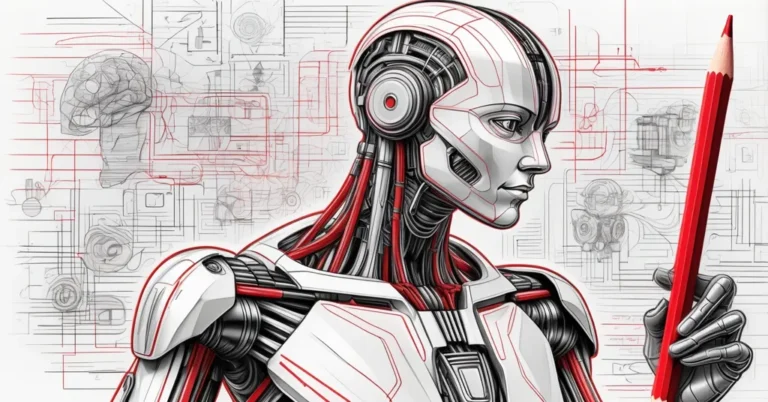
State Licensing: Your Professional Passport in an AI-Driven Economy
As businesses increasingly turn to AI automation and tools like ChatGPT, the need for trusted, hands-on expertise remains crucial. Whether by integrating AI agents into daily operations or leaning on the refined judgment of certified professionals, the demands of today’s market underscore one timeless truth: a state-issued license continues to offer unmatched career security and credibility.
The Enduring Value of Licensing
Obtaining a state license is much like earning a passport that guarantees entry into a realm of trusted services. The process is straightforward yet rigorous—requiring focused study and testing—which in turn ensures that licensed professionals have a solid foundation in their field. Whether it’s becoming a Certified Public Accountant (CPA), a licensed nurse, or a certified electrician, this credential speaks volumes about one’s commitment to quality and reliability.
“People will always need their taxes done. They’ll always need financial advice.”
This statement isn’t just anecdotal. It reflects the reality that while AI tools are reshaping industries by automating routine tasks, the nuanced expertise of licensed professionals remains indispensable. Clients and consumers continue to value the depth of experience and the regulated assurance that comes with a state license.
AI Agents Meet Traditional Expertise
Even as ChatGPT and other AI agents provide valuable support in data analysis and preliminary research, there’s no substitute for human judgment. For example, accountants can use these tools to process large datasets quickly, yet the final decisions—ones that could impact entire businesses—still rely on the seasoned judgment that only a licensed expert can offer.
Modern professionals are adapting by blending AI-driven insights with traditional skills. This hybrid approach not only increases productivity but also reinforces the credibility of state-issued licenses. The qualities of thorough training, ongoing education, and regulated practice form an unbreakable alliance with digital tools—a necessity as the market evolves.
AI for Business: Enhancing Licensed Expertise
It’s not just about maintaining quality assurance—there’s also a significant business advantage. Licensed professionals enjoy superior job prospects, higher income potential, and a competitive edge when launching ventures. For business leaders, backing licensed expertise can improve not only operational efficiency but also customer trust and satisfaction.
Recent trends back this up: enrollment in trade schools has jumped by 35% since 2020, and state licenses have risen by 30% over the past few decades. These statistics clearly indicate that, in an AI-enhanced landscape, a strong credential remains a critical differentiator.
“Get a license … it’s the best job security ever.”
Such endorsements remind us that, even as technology evolves, the basic elements of professional trust and competence cannot be sidelined. As AI continues to refine what we know about efficiency and scalability, the human element provided by well-trained, licensed professionals will always be in demand.
Preparing for Tomorrow’s Workforce
The growing influence of AI across various sectors means that the roles of licensed professionals are also evolving. Embracing digital literacy, data analysis, and the integration of AI insights with traditional skills creates a robust blueprint for the future. Here are some key considerations for professionals and business leaders today:
- How will state licensing evolve as technology advances?
The criteria for obtaining and maintaining a license will likely include digital competencies and familiarity with AI tools, ensuring that professionals stay ahead of technological disruptions.
- Can the current regulatory framework spur innovation while maintaining credibility?
By blending strict oversight with modern digital practices, regulatory bodies can continue to uphold standards without hindering technological progress.
- What additional skills are needed to complement AI-driven tools?
Beyond the traditional expertise, professionals must enhance their digital literacy, master data analysis, and learn to integrate AI insights with robust, human decision-making.
- Will the rise of AI shift the definition of essential human expertise?
Indeed, as AI takes over routine tasks, the focus will shift even more towards the uniquely human skills of critical thinking, creativity, and intricate problem-solving.
This balanced approach—a fusion of regulated hands-on expertise with modern AI tools—is setting the stage for a resilient, future-proof career strategy. For those looking to secure long-term job stability, obtaining a state license is not merely a nod to tradition; it’s a strategic investment in one’s professional future in an AI-driven economy.