
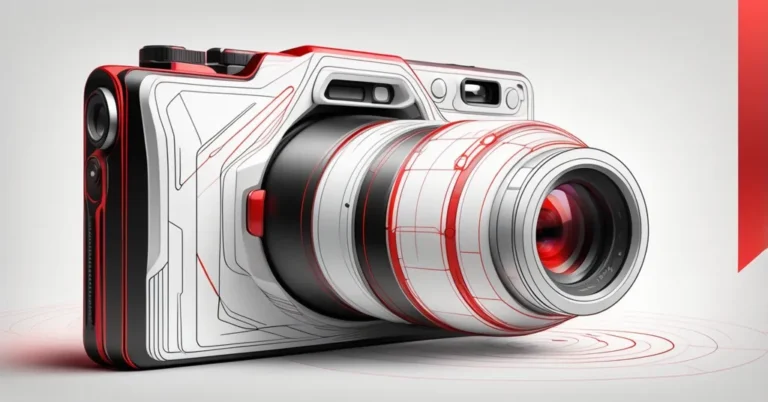
Simplifying Complexity: The Bold Reimagination of the Sigma BF
Innovation in Design
The Sigma BF shakes up conventional camera design by replacing a maze of buttons with a sleek click-wheel interface and mini-LCD monitors. This innovative approach offers a clean, distraction-free viewfinder that lets you focus on capturing moments instead of juggling settings. Designed with both professional photography and prosumer camera features in mind, the BF rethinks the user experience with an interface that separates the live display from control functions in a way that is intuitive, even if the terminology sounds technical at first. Think of it as the shift from manual to automatic transmission—a bold move towards ease of use without sacrificing performance, driven by its radical redesign.
“The BF is really meant for a new age of prosumers who want to up their game in photography.”
Performance Overview
At roughly $2,200, the Sigma BF trades excess complexity for streamlined control while still delivering professional-grade performance. Central to its capabilities is a full-frame 35mm Sony sensor, which provides around 25 megapixels of detailed imagery. This robust sensor shines in low-light environments, making it an advanced imaging technology that stands up to the challenge of capturing crisp, clear shots even in dim conditions.
The camera’s rapid autofocus and 6K video recording (with a slight crop when using electronic stabilization) further emphasize its versatility. Notably, the real-world battery performance often exceeds the expected six hours of shooting time, a detail that sets it apart from many competitors in the innovative camera technology space. While the electronic shutter contributes to a quieter shooting experience, some users might occasionally notice its limitations under specific indoor lighting scenarios.
User Perspectives and Practical Impact
Weighing in just under a pound on its own, the Sigma BF is one of the lightest full-frame mirrorless cameras available—a significant advantage for those who value mobility. However, when coupled with a lens, the total heft increases, suggesting that a delicate balance exists between portability and functionality. The use of the L-mount system makes the camera compatible with a broad range of lenses from brands like Leica, Panasonic, Samyang, and Sirui, ensuring long-term versatility for professionals and enthusiasts alike.
The design is particularly compelling for photographers stepping up from smartphone photography. As one reviewer put it:
“You will never, ever, get as good a picture with any smartphone camera as you will with a camera that has a real lens.”
While the streamlined click-wheel and mini-LCD controls offer a clean interface, there are trade-offs. Some experienced photographers may miss dedicated buttons such as those for auto-exposure lock or fill light, tools that traditionally provide rapid access to certain settings. Yet this focus on simplicity aligns well with today’s trend towards minimalistic design in modern professional photography tools.
“The main display screen is a pristine window into what you’re capturing in the real world, while the mini-LCD and the click‐wheel are your controls.”
Key Takeaways and Considerations
-
How does the innovative interface improve usability?
The streamlined click-wheel and dedicated mini-LCD monitors provide an intuitive control system that separates the live view from control inputs, allowing for faster adjustments and a distraction-free shooting experience.
-
What benefits does the full-frame sensor offer?
The 35mm Sony sensor, delivering around 25 megapixels, ensures vibrant and detailed images even in low-light situations, pushing the limits of advanced imaging technology.
-
How is the camera positioned for prosumers and professionals?
By merging simplified controls with professional-grade features, the Sigma BF appeals to both newcomers stepping up from smartphone photography and seasoned users looking for robust performance in a compact form.
-
What role does lens compatibility play?
The L-mount system ensures a wide range of high-quality lenses, offering flexibility and future-proofing for those who need dependable, professional photography equipment.
-
What are potential design trade-offs?
The absence of some dedicated physical buttons may limit quick access to specific functions, and while the electronic shutter allows for silent shooting, it can present challenges in certain indoor lighting conditions.
A Glimpse into the Future of Camera Technology
By reimagining the traditional camera layout, the Sigma BF stands as a testament to how bold design choices can drive the evolution of imaging technology. Its hybrid approach—melding simplicity with professional capabilities—is not just a refresh of old ideas but a strategic move that may influence future trends, including potential AI-powered enhancements in photography. Whether you’re a seasoned photographer or just starting out, the BF presents a compelling look at how innovative design can redefine creative workflows, offering a glimpse into the future of professional imaging.